
Artificial Intelligence (AI) is transforming the healthcare industry at an unprecedented pace. From faster diagnoses to personalized treatment plans, AI is reshaping how doctors, hospitals, and patients experience medical care. What once seemed like science fiction is now becoming an essential part of modern medical science.
The Rise of AI in Modern Medicine
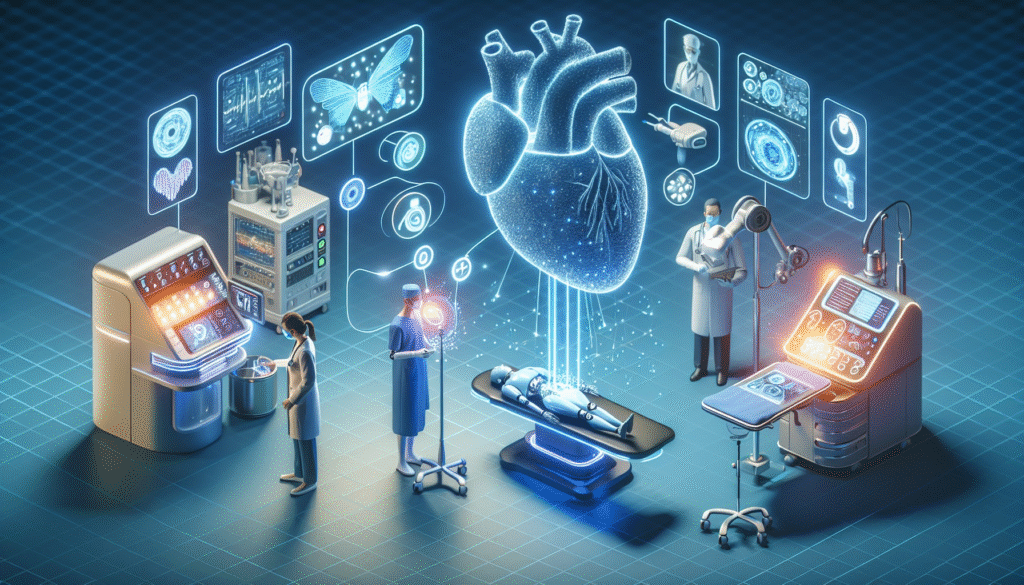
AI systems are designed to analyze vast amounts of medical data quickly and accurately. Hospitals generate enormous data daily — including patient records, lab reports, imaging scans, and treatment histories. AI tools can process this information in seconds, helping doctors make faster and more precise decisions.
Machine learning algorithms can detect patterns that may not be immediately visible to the human eye. This is especially valuable in fields like radiology, cardiology, and oncology, where early detection can save lives.
AI-Powered Diagnosis and Early Detection

One of the biggest advantages of AI in healthcare is early disease detection. AI-powered imaging systems can identify abnormalities in X-rays, MRIs, and CT scans with high accuracy. In many cases, AI assists doctors in detecting conditions such as:
- Cancer at an early stage
- Heart disease risks
- Neurological disorders
- Diabetic complications
Early diagnosis leads to faster treatment and improved patient outcomes.
Personalized Treatment Plans
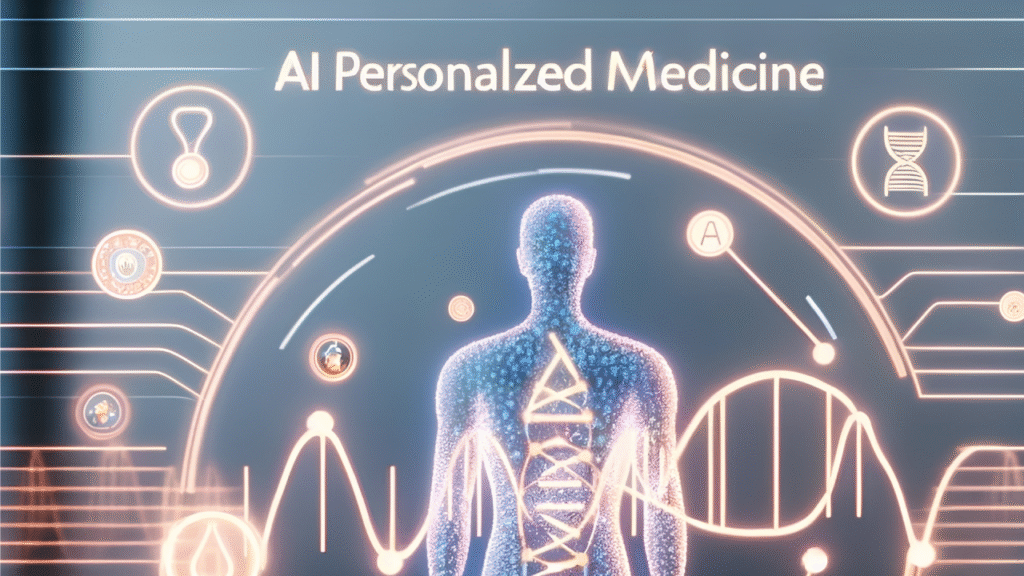
AI is helping shift healthcare from a “one-size-fits-all” model to personalized medicine. By analyzing genetic information, lifestyle factors, and medical history, AI can recommend tailored treatment plans for individual patients.
This approach improves effectiveness and reduces side effects. For example, cancer treatments can now be customized based on a patient’s genetic profile, increasing the chances of success.
AI in Drug Discovery
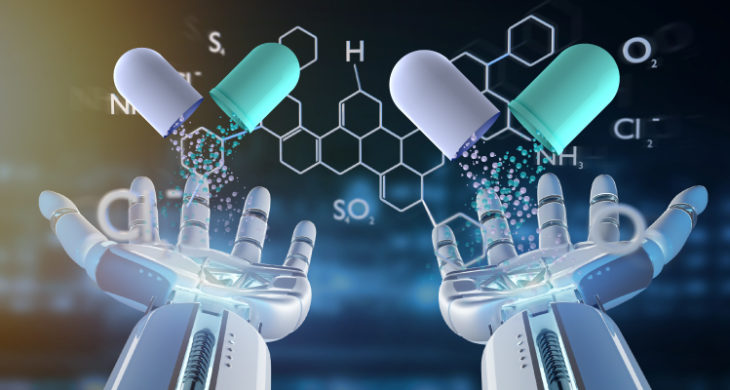
Developing new medicines traditionally takes years and costs billions of dollars. AI accelerates this process by analyzing chemical compounds, predicting drug interactions, and identifying potential treatments much faster than traditional methods.
This advancement became especially important during global health emergencies, where rapid vaccine and drug development saved millions of lives.
Virtual Health Assistants and Remote Care
AI-powered chatbots and virtual assistants are improving patient engagement. They can:

- Answer health-related questions
- Schedule appointments
- Send medication reminders
- Monitor symptoms
Wearable devices integrated with AI also track heart rate, sleep patterns, and physical activity in real time. This data helps doctors monitor patients remotely, reducing hospital visits and improving convenience.
Challenges and Ethical Considerations
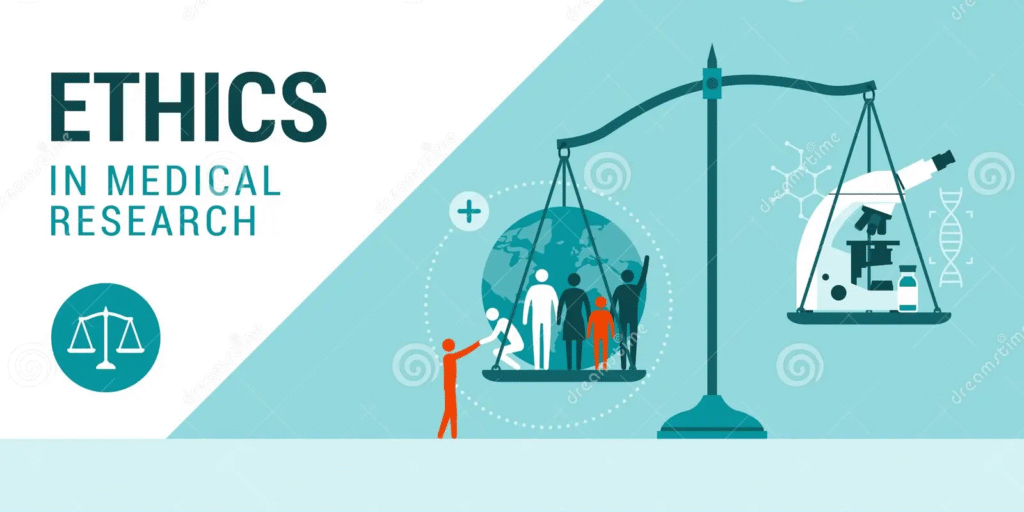
Despite its benefits, AI in healthcare comes with challenges. Data privacy, cybersecurity, and ethical concerns must be addressed carefully. Medical decisions supported by AI still require human oversight to ensure accuracy and compassion.
Healthcare providers must balance technological advancement with patient trust and transparency.
Quick Overview Table
| Area | Impact of AI |
|---|---|
| Diagnosis | Faster and more accurate detection |
| Treatment | Personalized medical plans |
| Drug Development | Reduced time and cost |
| Patient Care | Remote monitoring and virtual support |
| Data Management | Efficient analysis of medical records |
The Future of AI in Healthcare
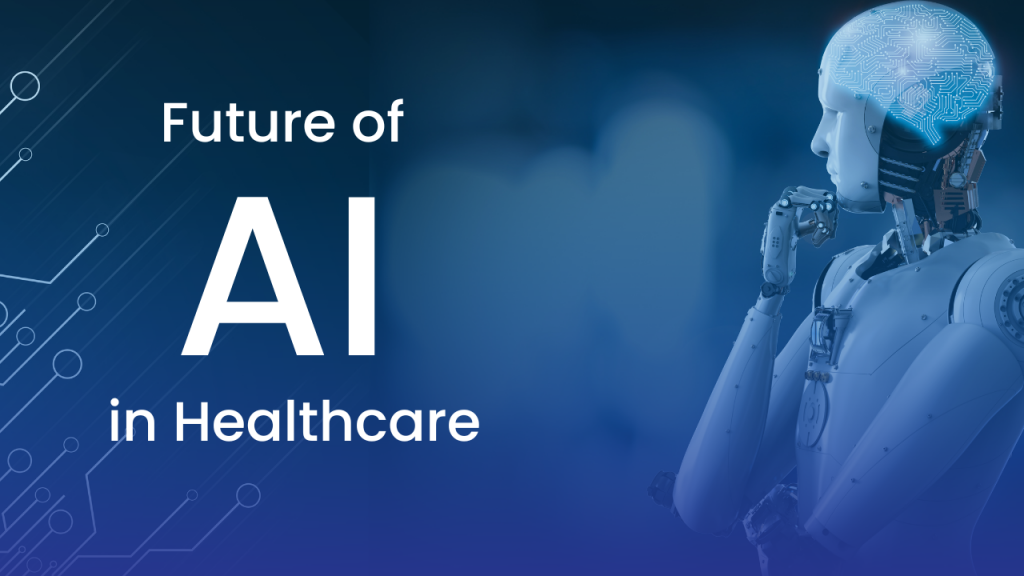
The future of AI in healthcare looks promising. With continuous advancements, AI may soon assist in robotic surgeries, predict disease outbreaks, and provide fully customized preventive care plans. Rather than replacing doctors, AI is becoming a powerful partner — enhancing medical expertise and improving patient outcomes.
AI is not just a technological upgrade; it represents a new era of medical science where precision, speed, and innovation work together to save lives.
Final Thought
AI in healthcare is revolutionizing medicine by making it smarter, faster, and more patient-centered. As technology continues to evolve, the collaboration between human expertise and artificial intelligence will define the future of global healthcare.
FAQ
#AIInHealthcare #MedicalScience #FutureOfMedicine #DigitalHealth #HealthcareInnovation #ArtificialIntelligence #HealthTech2026 #SmartHealthcare #MedicalTechnology #PersonalizedMedicin #Carrerbook #Anslation