
Growing a business is an exciting journey, but it also comes with challenges. Every entrepreneur dreams of increasing revenue, attracting loyal customers, and building a brand that stands the test of time. However, sustainable growth doesn’t happen by chance. It requires careful planning, smart decision-making, and the ability to adapt to changing market conditions.
In today’s competitive business environment, entrepreneurs have more opportunities than ever before. Digital marketing, artificial intelligence, e-commerce, and global connectivity have made it easier to reach customers, but they have also increased competition. Businesses that continue learning, improving, and focusing on customer value are more likely to achieve long-term success.
This guide explores practical business growth strategies that every entrepreneur should know to build a profitable and resilient business in 2026 and beyond.
Why Business Growth Matters
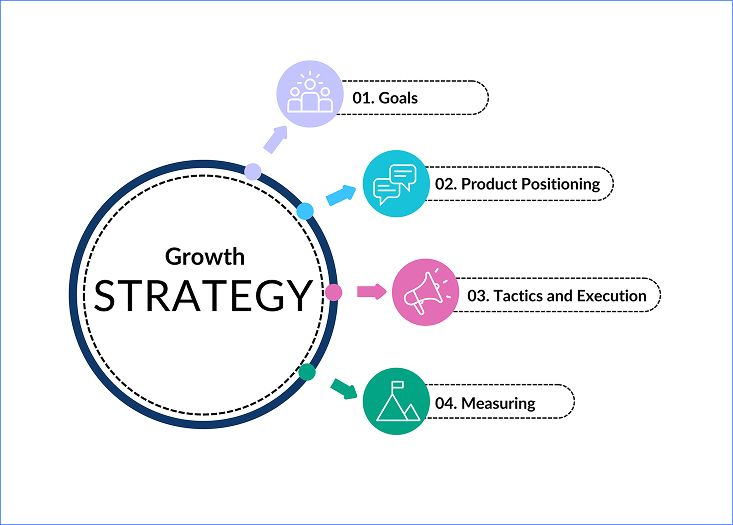
Business growth is more than simply increasing sales. It involves expanding your customer base, improving profitability, strengthening your brand, and creating opportunities for long-term success.
A growing business is often better equipped to invest in new technology, hire talented employees, launch new products, and adapt to changing market trends. Growth also improves competitiveness and helps businesses remain relevant in fast-moving industries.
Rather than chasing rapid expansion, entrepreneurs should focus on sustainable growth that can be maintained over time.
Build a Strong Business Foundation
Every successful business starts with a solid foundation.
Before focusing on expansion, ensure that your business has a clear mission, realistic goals, and a well-defined target audience. A strong business plan should outline your products or services, revenue model, marketing strategy, and financial objectives.
Having a clear direction helps entrepreneurs make better decisions and avoid unnecessary risks.
Understand Your Target Customers
Knowing your customers is one of the most effective ways to grow a business.
Spend time researching who your customers are, what problems they face, and how your products or services solve those problems. Collect feedback through surveys, reviews, and customer interactions to better understand their expectations.
Businesses that listen to their customers can improve products, create better marketing campaigns, and build stronger relationships.
Personalized experiences often lead to higher customer satisfaction and increased loyalty.
Focus on Delivering Exceptional Value
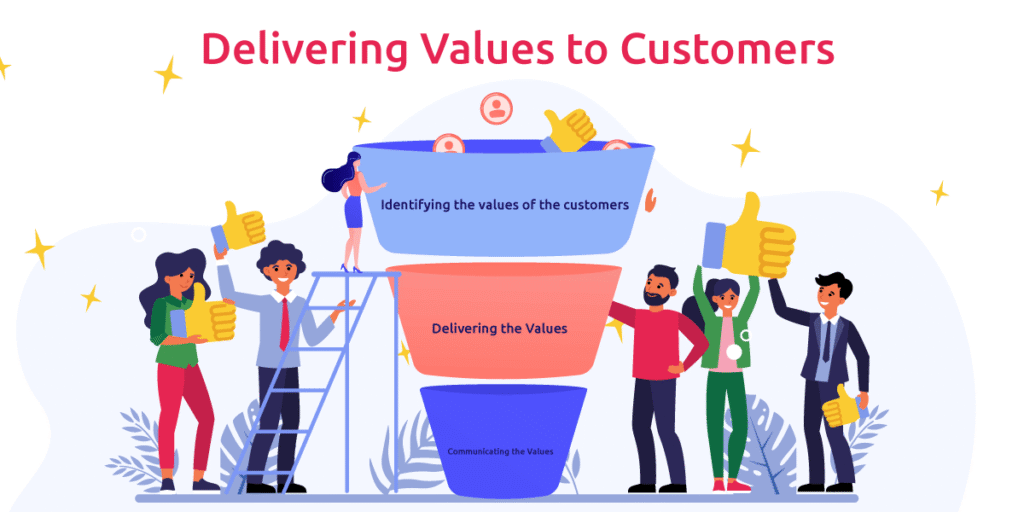
Customers choose businesses that provide real value.
Instead of competing only on price, focus on delivering quality products, excellent service, and memorable customer experiences. Businesses that consistently exceed customer expectations often benefit from positive reviews, repeat purchases, and word-of-mouth referrals.
Creating value helps build trust, which is one of the strongest competitive advantages any business can have.
Invest in Digital Marketing
Digital marketing continues to be one of the most powerful tools for business growth.
A well-planned online presence allows businesses to reach customers across multiple channels, including search engines, social media, email, and content marketing.
Some effective digital marketing strategies include:
| Marketing Strategy | Growth Benefit |
|---|---|
| Search Engine Optimization (SEO) | Increases organic website traffic |
| Content Marketing | Builds authority and trust |
| Email Marketing | Strengthens customer relationships |
| Social Media Marketing | Expands brand visibility |
| Pay-Per-Click Advertising | Generates targeted leads |
| Video Marketing | Improves engagement and conversions |
| Influencer Partnerships | Reaches new audiences |
| Local SEO | Attracts nearby customers |
Combining several marketing channels often produces stronger results than relying on a single platform.
Build a Strong Brand
A recognizable brand helps businesses stand out in crowded markets.
Your brand includes your logo, messaging, values, customer experience, and overall reputation. Consistent branding across your website, social media, packaging, and advertising creates familiarity and trust.
People often remember businesses that communicate clearly and deliver consistent experiences.
A strong brand also makes it easier to attract loyal customers who recommend your business to others.
Use Technology to Improve Efficiency

Technology can help entrepreneurs save time and reduce costs.
Many businesses now use cloud software, automation tools, customer relationship management (CRM) systems, accounting platforms, and AI-powered assistants to streamline daily operations.
Automating repetitive tasks allows business owners to spend more time focusing on strategy, innovation, and customer service.
Choosing the right technology depends on your business size and operational needs.
Diversify Your Products or Services
Offering additional products or services can create new revenue opportunities.
Before expanding your product line, research customer demand and ensure the new offerings align with your brand.
For example, an online clothing store might introduce accessories, while a digital marketing agency could offer SEO consulting or content creation services.
Diversification helps reduce dependence on a single income source and increases business resilience.
Improve Customer Retention
Acquiring new customers is important, but retaining existing customers is often more cost-effective.
Satisfied customers are more likely to make repeat purchases and recommend your business to friends and colleagues.
You can improve customer retention by providing excellent support, rewarding loyal customers, responding quickly to concerns, and maintaining regular communication through email newsletters or personalized offers.
Long-term customer relationships contribute significantly to sustainable business growth.
Monitor Financial Performance

Healthy financial management supports informed business decisions.
Track revenue, expenses, profit margins, cash flow, and return on investment regularly. Financial reports help identify opportunities to reduce costs, improve pricing strategies, and allocate resources more effectively.
Entrepreneurs who understand their financial performance are better prepared to manage growth and navigate economic uncertainty.
Build a High-Performing Team
As your business grows, building the right team becomes increasingly important.
Hire people who share your company values and bring complementary skills. Provide opportunities for training, encourage collaboration, and recognize employee achievements.
A motivated and skilled team contributes to innovation, customer satisfaction, and operational efficiency.
Strong leadership also creates a positive workplace culture that supports long-term success.
Embrace Innovation
Successful entrepreneurs continuously look for better ways to serve customers.
Innovation doesn’t always require creating entirely new products. Sometimes improving existing services, simplifying customer experiences, or adopting new technologies can create significant competitive advantages.
Businesses that embrace innovation are often better prepared for changing customer expectations and industry trends.
Expand Through Strategic Partnerships

Collaborating with other businesses can accelerate growth.
Partnerships allow companies to reach new customers, share expertise, and reduce marketing costs. Joint promotions, affiliate programs, co-branded campaigns, and strategic alliances often create mutually beneficial opportunities.
Choose partners whose values and audience align with your business objectives.
Measure Business Growth
Tracking key performance indicators (KPIs) helps entrepreneurs understand whether their strategies are working.
Important metrics include:
- Revenue growth
- Customer acquisition cost
- Customer lifetime value
- Website traffic
- Conversion rate
- Profit margin
- Customer retention rate
- Return on marketing investment
Reviewing these metrics regularly allows you to make data-driven decisions rather than relying on assumptions.
Common Mistakes Entrepreneurs Should Avoid
Many businesses struggle because they expand too quickly without adequate planning.
Other common mistakes include ignoring customer feedback, failing to monitor finances, relying on a single marketing channel, neglecting employee development, and resisting technological change.
Avoiding these mistakes can improve long-term stability and reduce unnecessary risks.
Business Growth Trends in 2026

Entrepreneurs should also pay attention to emerging trends shaping modern business.
Artificial intelligence is helping businesses automate tasks and improve customer experiences. Sustainability continues to influence consumer purchasing decisions, while e-commerce and mobile commerce remain strong growth drivers.
Data-driven decision-making, personalized marketing, subscription business models, and digital transformation are also becoming increasingly important across industries.
Businesses that adapt to these trends while maintaining strong customer relationships are more likely to remain competitive.