
Elections are one of the most important foundations of a democratic society. They give citizens the power to choose their leaders, influence government policies, and shape the future of their country. Whether you’re voting for the first time or simply want to understand how the election process works, knowing the basics can help you become a more informed and responsible citizen.
In 2026, elections around the world continue to evolve with the use of digital technology, stronger security measures, and greater public awareness. While every country has its own election system, the core idea remains the same: giving people the opportunity to choose who represents them.
This beginner-friendly guide explains how elections work, why they matter, and what happens before, during, and after Election Day.
What Is an Election?
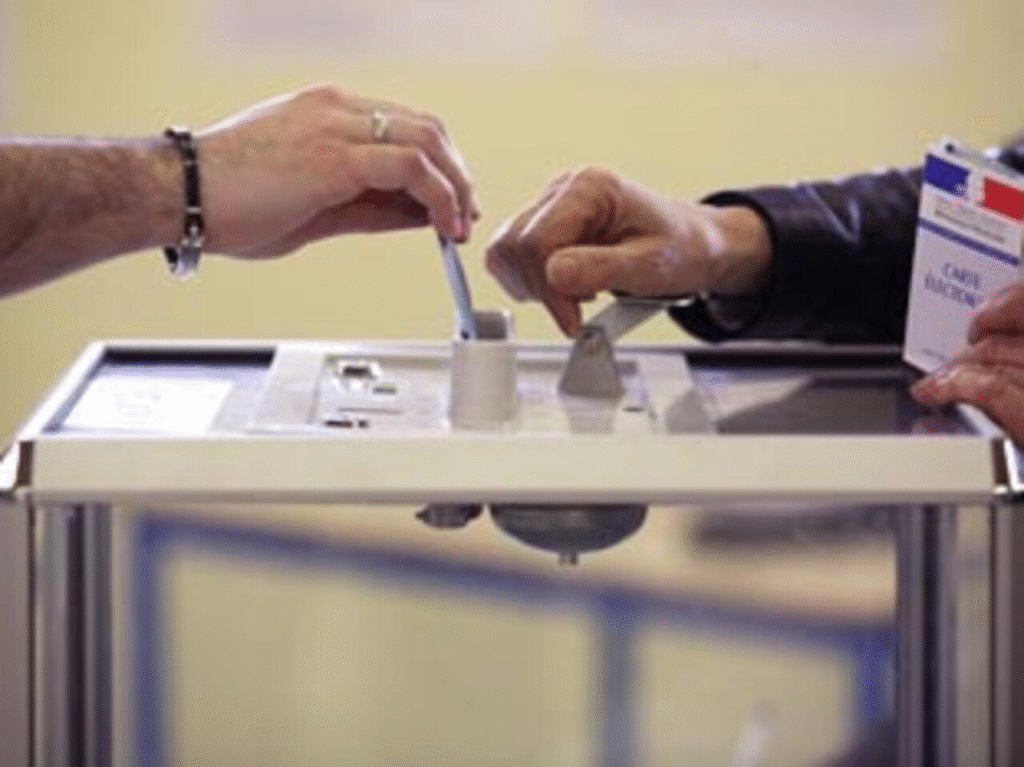
An election is a formal process in which eligible citizens vote to choose individuals for public office. These elected representatives make decisions on behalf of the people, including creating laws, managing public resources, and shaping national or local policies.
Elections ensure that governments remain accountable to the people. Instead of leaders being appointed or inheriting power, democratic nations allow citizens to decide who should govern.
Whether it’s a national election, state election, or local council vote, every election gives people a voice in how their communities and countries are managed.
Why Are Elections Important?
Elections are much more than simply casting a vote. They are a way for citizens to participate directly in democracy.
A fair election allows people to choose leaders who represent their values and priorities. It encourages governments to remain transparent and accountable because elected officials know they will eventually face voters again.
Regular elections also allow peaceful transfers of power, reducing political instability and strengthening public trust in democratic institutions.
When more people vote, the results reflect the opinions and needs of a broader section of society.
Types of Elections
Different elections serve different purposes depending on the level of government.
National Elections
National elections determine the country’s top leadership, such as members of parliament, congress, or the president, depending on the political system.
State or Regional Elections
These elections choose representatives responsible for governing states, provinces, or regions. They focus on local laws, education, transportation, healthcare, and regional development.
Local Elections
Local elections select mayors, municipal councils, city officials, and other community leaders. Although local elections often receive less attention, they directly affect everyday services like roads, waste management, schools, and public safety.
Special Elections
Sometimes unexpected vacancies occur because of resignations, deaths, or legal issues. Special elections are held to fill these positions before the next scheduled election.
Who Can Vote?
Each country sets its own voting requirements, but most democracies have similar eligibility rules.
Generally, voters must:
- Be citizens of the country.
- Meet the minimum voting age.
- Register to vote where required.
- Not be legally disqualified under election laws.
Many countries now offer online voter registration, making the process easier and more accessible than ever before.
How Candidates Are Chosen

Before the public votes, political parties usually select their candidates through internal processes.
These may include:
- Party primaries
- Internal elections
- Leadership nominations
- Delegate voting
Independent candidates can also contest elections without belonging to any political party, provided they meet the legal requirements.
Candidates campaign by sharing their policies, attending debates, meeting voters, and using television, newspapers, websites, and social media to communicate their vision.
The Election Campaign Process
Election campaigns are designed to help voters understand each candidate’s promises and priorities.
Campaign activities often include public rallies, debates, interviews, digital advertisements, social media outreach, volunteer events, and community meetings.
Modern campaigns rely heavily on online platforms to connect with younger voters while still using traditional methods like door-to-door visits and printed materials.
Voters should compare candidates based on their experience, policies, leadership qualities, and past performance instead of relying solely on campaign slogans.
How Voting Works
Voting methods vary from country to country, but the general process is straightforward.
Step 1: Voter Registration
Eligible citizens register before the deadline if registration is required.
Step 2: Identity Verification
On Election Day, voters confirm their identity using approved documents or voter identification.
Step 3: Receiving the Ballot
Election officials provide a paper ballot or access to an electronic voting machine.
Step 4: Casting the Vote
The voter selects their preferred candidate or political party.
Step 5: Ballot Submission
Paper ballots are placed into secure ballot boxes, while electronic votes are securely recorded by voting systems.
Election officials ensure that each eligible voter votes only once and that the voting process remains confidential.
Different Voting Systems
Countries use different methods to determine election winners.
| Voting System | How It Works | Common Use |
|---|---|---|
| First-Past-the-Post | Candidate with the most votes wins | India, UK (many elections) |
| Proportional Representation | Seats are distributed based on vote percentage | Many European countries |
| Ranked Choice Voting | Voters rank candidates by preference | Some local and national elections |
| Mixed Electoral System | Combines direct and proportional voting | Germany, New Zealand |
Each system has its own advantages and challenges, affecting how representatives are elected.
What Happens After Voting?

Once voting ends, election officials begin counting the ballots.
The counting process includes:
- Verifying ballot validity
- Counting votes
- Monitoring by election observers
- Resolving disputed ballots
- Publishing official results
Many countries now use digital technology to speed up vote counting while maintaining strict security procedures.
If disputes arise, election commissions or courts review complaints before final results are certified.
Election Security in 2026
Election security has become increasingly important in recent years.
Modern election systems use several measures to protect voting integrity, including secure voter databases, encrypted electronic systems, physical ballot security, independent monitoring, cybersecurity protection, and transparent counting procedures.
Many countries also invite international observers to ensure elections remain free and fair.
Technology continues to improve election management, but human oversight remains essential for maintaining public trust.
Common Election Terms You Should Know
Understanding a few basic election terms makes it easier to follow election news.
Ballot: The paper or electronic form used for voting.
Polling Station: The location where people cast their votes.
Candidate: A person running for public office.
Political Party: An organization that supports candidates with shared political goals.
Majority: Receiving more than half of the votes.
Election Commission: The independent authority responsible for organizing elections.
Manifesto: A document outlining a political party’s plans and promises.
How to Become an Informed Voter

Voting responsibly requires more than simply choosing a familiar name.
Before casting your vote:
- Research candidate backgrounds.
- Read party manifestos.
- Watch public debates.
- Verify information from reliable news sources.
- Avoid misinformation shared on social media.
- Understand the issues affecting your community.
An informed voter helps strengthen democracy by making thoughtful decisions based on facts rather than rumors.
Challenges Facing Modern Elections
Although democratic systems continue to improve, elections still face several challenges.
These include misinformation, cyber threats, low voter turnout, political polarization, campaign financing concerns, and maintaining trust in election outcomes.
Governments and election authorities continue developing new technologies and regulations to address these issues while protecting voters’ rights.
The Future of Elections
The future of elections is expected to become more technology-driven while maintaining transparency and fairness.
Possible developments include expanded digital voter services, improved cybersecurity, artificial intelligence for election management, faster vote counting, and greater accessibility for people with disabilities.
However, regardless of technological advancements, the fundamental principle will remain unchanged: every eligible citizen has the right to vote and help shape the future of their country.