
Government is something people interact with almost every day, even when they do not always notice it. From public transportation and education to roads, identity documents, healthcare systems, taxes, laws, and digital services, government decisions can affect many parts of everyday life.
But government and governance are not exactly the same thing.
Government generally refers to the institutions and authorities responsible for making and implementing public decisions.
Governance is broader.
It describes the systems, rules, institutions, and processes through which authority is exercised.
Policies are developed, services are delivered, and public institutions are held accountable.
The World Bank describes governance in terms of traditions and institutions through which authority is exercised. It highlights elements such as effectiveness, accountability, rule of law, and regulatory quality.
Understanding the difference can make it easier to follow public affairs, understand government services, and make sense of how policies move from an idea to implementation.
What Is Government?
Government is the system through which a country, state, province, or local area is administered.
Different countries organize their governments differently, but public institutions commonly have responsibilities such as:
- Making and enforcing laws
- Providing public services
- Collecting taxes and managing public finances
- Maintaining public infrastructure
- Managing public programs
- Protecting public safety
- Regulating certain activities
- Representing the country in international relations
Government is therefore more than elected politicians. Public administration, government departments, local authorities, courts, regulatory bodies, and other institutions can all play roles in how public decisions are implemented.
What Is Governance?
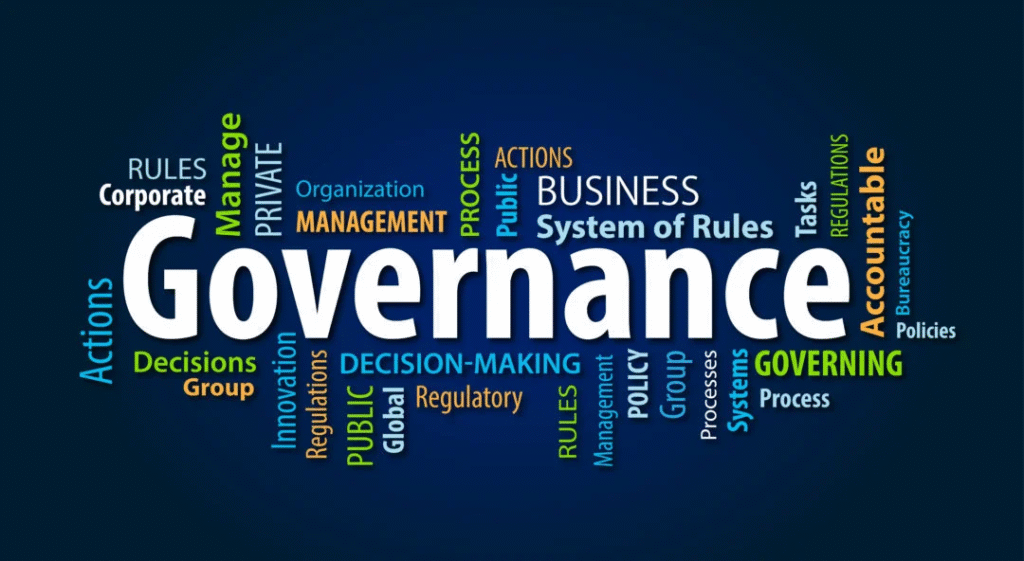
Governance focuses on how decisions are made and how institutions operate.
It includes the rules and processes that determine how public authority is exercised, how policies are created and implemented, and how institutions interact with citizens and other stakeholders.
The World Bank’s Worldwide Governance Indicators organize governance into six broad dimensions: voice and accountability, political stability, government effectiveness, regulatory quality, rule of law, and control of corruption.
In simple terms:
Government is about the institutions and authorities. Governance is about how those institutions make decisions, use authority, and serve the public.
Government vs. Governance
The difference becomes easier to understand when the two concepts are placed side by side.
| Government | Governance |
|---|---|
| Refers to public institutions and authorities | Refers to processes and systems for exercising authority |
| Makes and implements public decisions | Focuses on how decisions are made and implemented |
| Includes government departments and agencies | Includes rules, accountability, participation, and institutional processes |
| Provides public services | Examines how effectively services are managed and delivered |
| Uses public authority | Looks at how that authority is exercised |
The two concepts are closely connected. A government needs effective governance systems to turn decisions and policies into practical outcomes.
Why Governance Matters
Good governance is closely connected with the everyday performance of public institutions.
For example, imagine a government announces a new public service. The announcement itself is only one part of the process. The relevant institution still needs to establish procedures, allocate resources, communicate information, manage staff, monitor implementation, and respond to problems.
Governance helps provide the framework for these activities.
The World Bank notes that governance is associated with development outcomes and examines areas including government effectiveness, regulatory quality, rule of law, accountability, and control of corruption.
This is why governance is relevant not only to politics but also to public administration, economic development, infrastructure, education, healthcare, and other areas of public life.
Key Principles of Good Governance
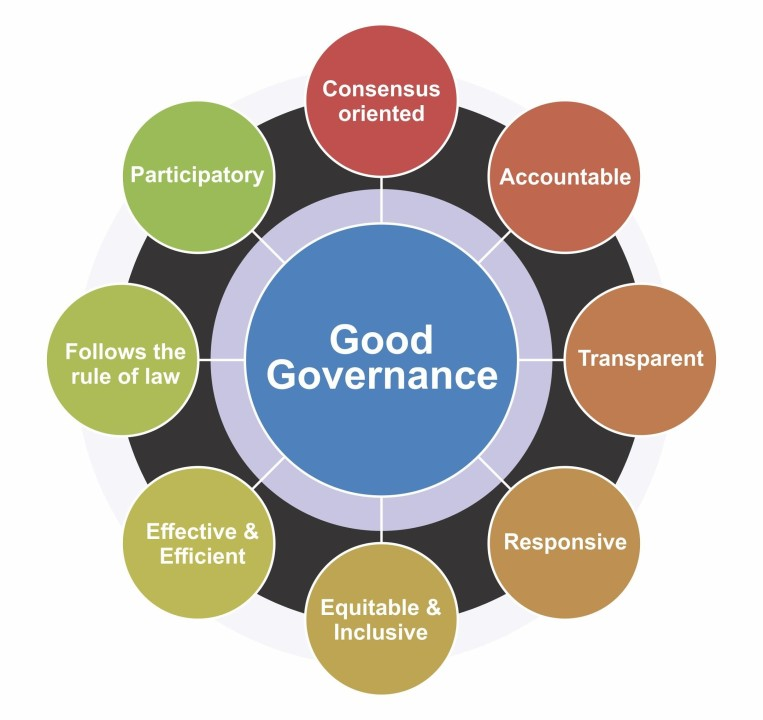
There is no single model of government that applies identically everywhere. However, several principles commonly appear in discussions of good and open governance.
Transparency
Transparency means that relevant government information is made available in ways that allow people to understand public decisions and activities.
Access to information can help citizens, journalists, researchers, businesses, and civil society examine government actions.
The OECD identifies transparency and access to information as important principles of open government.
Accountability
Accountability means that public institutions and officials have responsibilities for their decisions and actions and can be subject to appropriate oversight.
For example, accountability can involve audits, legislative oversight, reporting requirements, judicial review, administrative procedures, or other mechanisms depending on a country’s system.
The OECD describes accountability as including the responsibility of governments and public officials to explain their decisions and performance to citizens.
Citizen Participation
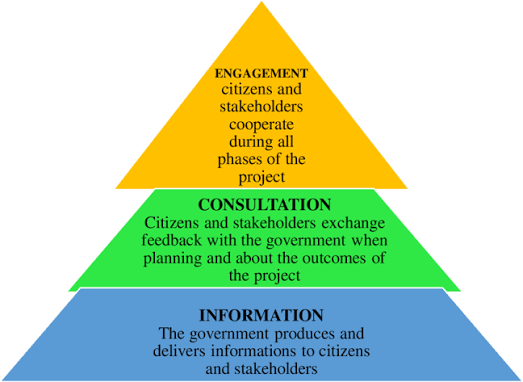
Governance is not limited to what happens inside government offices.
Citizens and other stakeholders can participate through elections, public consultations, community meetings, feedback mechanisms, civic organizations, and other channels established by law or public institutions.
The OECD describes citizen participation as ranging from providing information and consultation to more active involvement in policy and service design.
Rule of Law
The rule of law means that public authority operates within established legal frameworks and that laws and legal institutions play a central role in resolving disputes and regulating public and private activity.
The World Bank includes rule of law as one of its six broad governance dimensions.
Government Effectiveness
Government effectiveness relates to the quality of public services, civil service, policy formulation, and policy implementation.
A policy may look straightforward on paper, but delivering it effectively can require funding, trained staff, infrastructure, technology, coordination, and monitoring.
How Government Policies Affect Everyday Life
Government policies can influence many ordinary activities.
Consider a typical day. A person may use roads maintained through public spending, access public education, interact with healthcare systems, pay taxes, use government identification services, or follow regulations governing businesses and workplaces.
This does not mean every part of daily life is directly controlled by government. Rather, public policy creates legal, economic, and administrative frameworks within which individuals, businesses, and communities operate.
Examples of Policy Areas
| Policy Area | Possible Public Impact |
|---|---|
| Education | Schools, universities, training and financial support |
| Healthcare | Public health programs and healthcare regulation |
| Transport | Roads, public transit and transport regulations |
| Environment | Pollution rules and environmental programs |
| Digital Services | Online government applications and information |
| Taxation | Taxes, public revenue and government spending |
| Employment | Labor regulations and workplace standards |
| Housing | Planning rules and housing-related programs |
The actual impact varies considerably between countries and jurisdictions.
Different Levels of Government
Many countries divide public responsibilities among different levels of government.
A national or central government may handle issues such as national defense, foreign affairs, national taxation, or nationwide programs.
Regional or state governments may have responsibilities related to education, healthcare, transportation, policing, or other areas depending on the country’s constitutional structure.
Local governments often deal with services closer to communities, such as waste management, local roads, planning, permits, and community facilities.
The exact division of responsibilities depends on the country’s laws and political system.
How a Public Policy Becomes Action
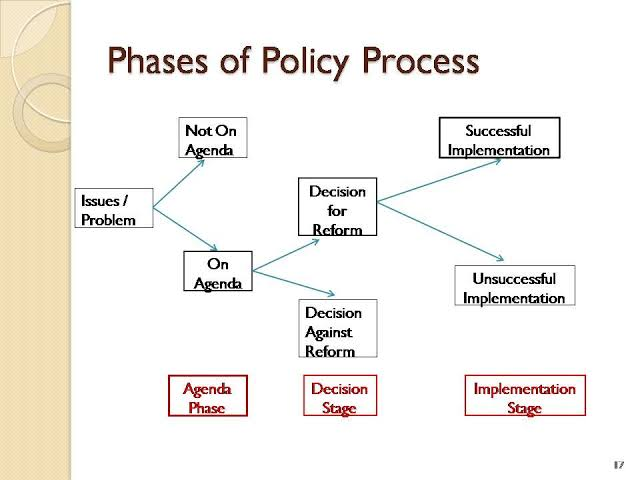
A policy does not usually move directly from an announcement to a finished public service. There can be several stages.
Problem identification → Policy development → Legal or administrative decision → Budgeting → Implementation → Monitoring → Evaluation
For example, if a government wants to improve a public transportation system, the process may involve studying the problem, considering different approaches, allocating funding, creating regulations or programs, implementing the plan, and evaluating its results.
Different countries use different procedures, and some policies require legislative approval while others can be implemented through existing administrative authority.
The Role of Public Institutions
Government is made up of many institutions with different responsibilities.
These may include:
- Ministries and departments
- Local government bodies
- Regulatory agencies
- Courts
- Public service organizations
- Audit institutions
- Legislatures
- Independent oversight bodies
Each institution can have different responsibilities and forms of oversight.
A functioning governance system depends not only on individual officeholders but also on institutional rules, procedures, professional staff, legal frameworks, and mechanisms for accountability.
Digital Government and Governance in 2026
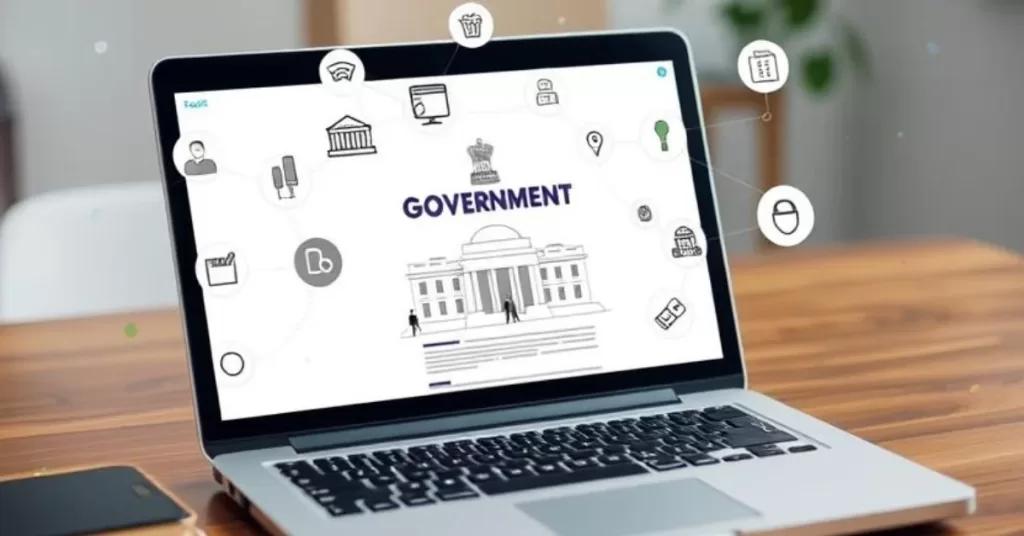
Technology has changed the way people interact with public institutions.
Many governments now provide online services that allow people to apply for documents, submit forms, make payments, access information, or track applications without visiting a government office.
Digital government can make services more convenient, but it also raises practical questions about privacy, cybersecurity, accessibility, digital inclusion, and the quality of online information.
A useful digital government system therefore needs more than a website or mobile application. It also requires reliable administrative systems, appropriate data protection, accessible design, and clear processes for people who cannot or do not want to use digital services.
Why Transparency and Public Information Matter
People cannot easily understand or evaluate public decisions if relevant information is difficult to find or understand.
Clear government communication can help people learn about policies, public services, budgets, regulations, deadlines, and administrative procedures.
The OECD identifies transparency, accountability, integrity, and stakeholder participation as central principles of open government.
For citizens, this means that knowing where to find reliable government information can be an important part of participating in public life.
How Citizens Can Understand Government Better
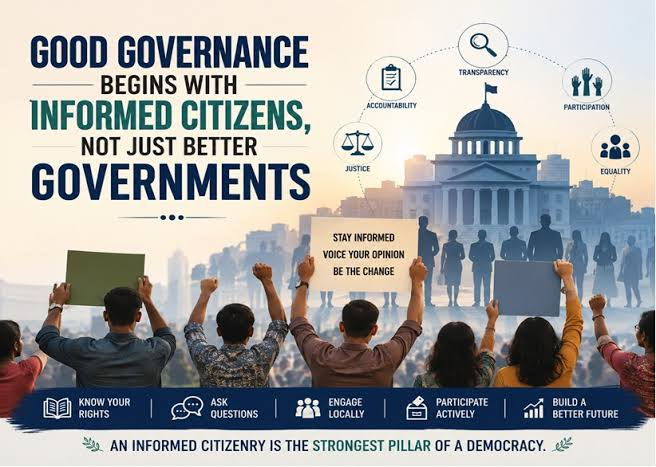
You do not need to become a political expert to understand how government works.
Start with basic questions:
- Who is responsible for this issue?
- Which level of government handles it?
- What law, regulation, or policy applies?
- What public service is being provided?
- Where can official information be found?
- How can citizens provide feedback or raise concerns?
- What oversight or accountability mechanism exists?
These questions can help separate official information from commentary, speculation, and social media claims.
Government, Governance, and Public Services
One of the simplest ways to understand governance is to connect it with public services.
Suppose a government provides a public service. The quality of that service can depend on several factors:
Policy + Funding + Institutions + Staff + Technology + Implementation + Oversight
If one part of the system does not work effectively, the experience of citizens may be affected.
This is why governance is broader than simply asking which policy was announced. It also involves examining how decisions are implemented and how institutions monitor their performance.
How to Evaluate Government Information Online
The internet contains enormous amounts of political and government-related information, but not everything published online has the same level of reliability.
When researching a government policy or public service, check:
- Whether the information comes from an official government source
- The publication or update date
- The relevant jurisdiction
- The actual policy or legal document
- Whether the information is current
- Whether claims are supported by evidence
- Whether commentary is clearly separated from factual information
For important questions, it can be useful to compare an official source with independent research or reputable reporting rather than relying on a single social media post.