
Running a business is no longer only about selling a product, increasing revenue, and finding new customers. Businesses are also thinking more carefully about how their operations affect the environment, employees, communities, and the resources they depend on.
This shift has made green business an important part of modern entrepreneurship. From using less energy in an office to reducing packaging, choosing sustainable materials, managing waste, and building products that last longer, there are many ways businesses can become more environmentally responsible.
The good thing is that sustainability does not always require a huge investment. For some businesses, small operational changes can reduce waste and costs at the same time. For others, sustainability can become part of the product itself and create new opportunities in growing markets.
In 2026, green business is increasingly connected with technology, consumer expectations, supply chains, energy efficiency, responsible production, and long-term business planning.
What Is a Green Business?

A green business is a company that considers environmental impact while making decisions about its products, services, operations, and supply chain.
The exact approach depends on the type and size of the business.
For a small company, this could mean:
- Reducing unnecessary printing
- Using energy-efficient lighting
- Avoiding excessive packaging
- Recycling office materials
- Using digital documents
- Buying products from responsible suppliers
For a manufacturer, sustainability could involve:
- Reducing production waste
- Improving energy efficiency
- Reusing materials
- Reducing water consumption
- Designing recyclable products
- Improving transportation efficiency
The idea is not simply to call a business “green.” Sustainable practices should be connected to real changes in how the business operates.
Why Green Business Matters in 2026
Environmental issues are influencing businesses in several ways.
Customers are paying more attention to how products are made and packaged. Employees may also care about the environmental values of the companies they work for. At the same time, businesses are looking for ways to reduce energy use, material waste, and unnecessary operating costs.
Sustainability can therefore become part of broader business planning rather than being treated as a separate activity.
| Business Area | Possible Sustainable Approach |
|---|---|
| Energy | Energy-efficient equipment and renewable energy |
| Packaging | Recyclable, reusable, or reduced packaging |
| Products | Durable, repairable, or recyclable designs |
| Operations | Less waste and better resource management |
| Transportation | Efficient logistics and lower-emission options |
| Offices | Digital workflows and energy-saving practices |
| Supply Chain | Responsible sourcing and supplier standards |
| Marketing | Transparent communication about sustainability |
Green Business Is More Than Recycling
When people hear “green business,” recycling is often the first thing that comes to mind.
Recycling is useful, but sustainability is much broader.
A business can look at its entire operation and ask:
Where are we using resources?
Where are we creating waste?
Can we use less?
Can something be reused instead of thrown away?
Can we choose a better material?
Can we make our products last longer?
These questions can reveal opportunities that go far beyond recycling bins in an office.
Sustainable Business Strategies for 2026
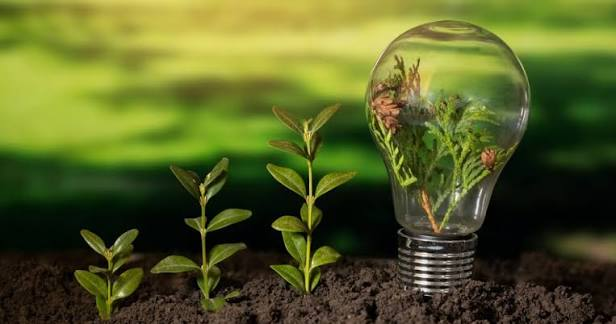
There is no universal sustainability strategy. A restaurant, software company, clothing brand, and manufacturing company will all have different priorities.
However, several approaches can work across many industries.
1. Improve Energy Efficiency
Energy is one of the easiest areas for many businesses to examine.
Businesses can start by identifying where electricity is being consumed and where unnecessary usage occurs.
Simple steps can include:
- Switching to energy-efficient lighting
- Using smart power controls
- Maintaining equipment properly
- Improving insulation
- Turning off unused equipment
- Using energy-efficient appliances
- Monitoring electricity consumption
Larger companies may also explore renewable energy options depending on their location, budget, and operational requirements.
The first step is often measurement. You cannot easily improve something you have never tracked.
2. Reduce Business Waste
Waste can come from many sources.
It might be excess packaging, unused inventory, food waste, damaged products, paper, outdated equipment, or materials left over from production.
Businesses can create a simple waste audit to identify what is being thrown away most often.
| Waste Type | Possible Improvement |
|---|---|
| Paper | Move documents to digital workflows |
| Packaging | Reduce unnecessary layers |
| Food | Improve inventory planning |
| Materials | Reuse production leftovers |
| Electronics | Repair, reuse, or responsibly recycle |
| Inventory | Improve demand forecasting |
| Office Supplies | Buy based on actual usage |
Reducing waste can also help a business understand where money is being lost.
3. Rethink Packaging
Packaging is particularly important for product-based businesses.
Customers often notice excessive packaging, especially when a small product arrives inside a large box filled with unnecessary materials.
Businesses can review:
- Packaging size
- Material choices
- Recyclability
- Reusable packaging
- Packaging weight
- Shipping efficiency
Reducing packaging can potentially lower both material consumption and shipping costs.
4. Build More Sustainable Products
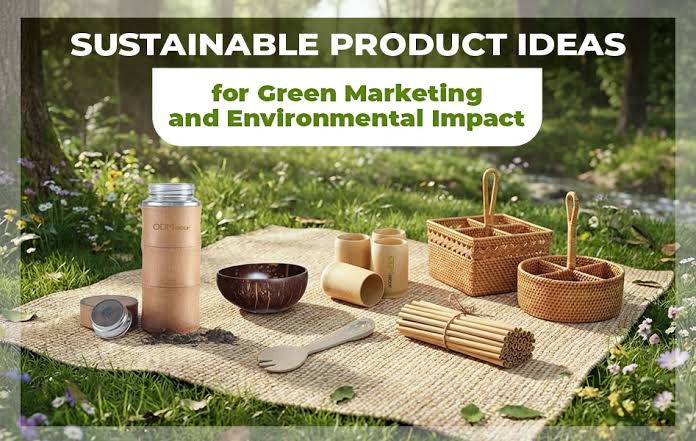
Sustainability can begin at the product-design stage.
Instead of asking only, “How can we make this product cheaper?” businesses can also ask:
Can we make it last longer?
Can customers repair it?
Can individual parts be replaced?
Can the materials be recovered or recycled?
Products designed with durability and repair in mind can reduce the need for frequent replacement.
This approach is particularly relevant to industries such as fashion, electronics, furniture, appliances, and consumer goods.
Circular Business Models
A traditional business model often follows a simple pattern:
Make → Sell → Use → Throw Away
A circular approach tries to keep products and materials useful for longer.
It can involve:
Design → Make → Use → Repair → Reuse → Refurbish → Recycle
Examples of circular business models include:
- Product repair services
- Refurbished electronics
- Clothing resale
- Equipment leasing
- Product take-back programs
- Refillable products
- Reusable packaging
- Spare-parts businesses
Circular models can create additional revenue opportunities while reducing material waste.
Sustainable Supply Chains
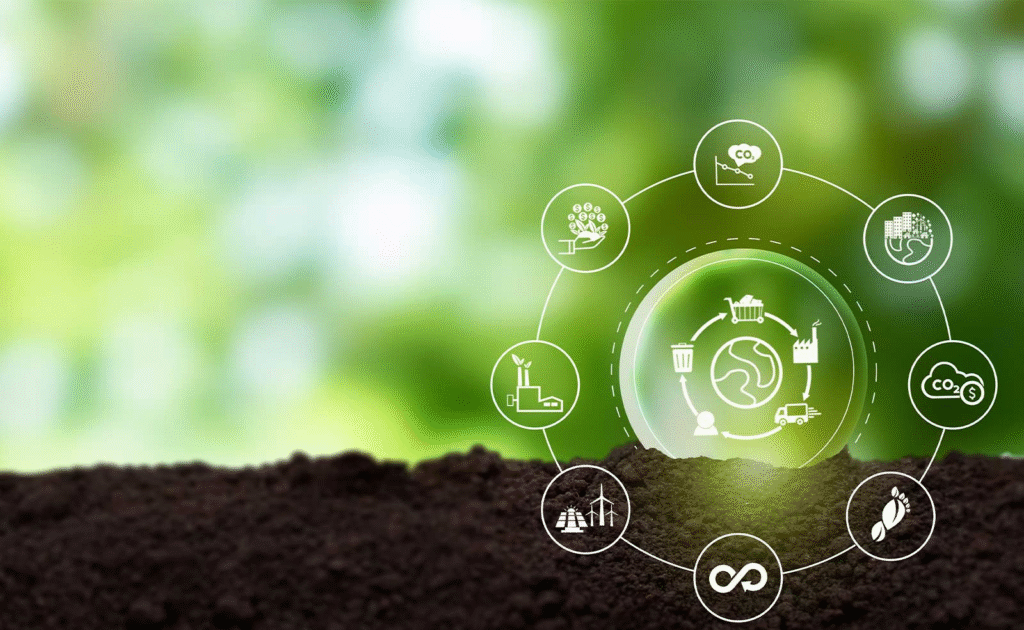
A company cannot always become sustainable by changing only its own office.
Its suppliers, manufacturers, logistics providers, and packaging partners can also influence its environmental impact.
Businesses can start by understanding where their materials come from and how products move through the supply chain.
Important questions include:
- Where are raw materials sourced?
- How are products manufactured?
- How much packaging is used?
- How far do materials travel?
- What transportation methods are used?
- What environmental standards do suppliers follow?
- Can suppliers provide better material options?
For larger companies, supplier sustainability requirements can become an important part of procurement.
Green Technology and Business
Technology is making sustainability easier to measure and manage.
Businesses can use digital tools to monitor energy consumption, track inventory, analyze transportation routes, manage waste, and measure resource use.
Some useful technology areas include:
- Smart energy monitoring
- Cloud-based documentation
- Inventory management systems
- AI-assisted demand forecasting
- Digital supply-chain tracking
- Smart building systems
- Data analytics
- Renewable energy monitoring
For example, better inventory forecasting can help businesses avoid ordering more products than customers actually need.
That can reduce both unsold inventory and waste.
Remote and Hybrid Work

Remote and hybrid work can also influence a company’s environmental footprint, although the overall effect depends on factors such as commuting, home energy use, office space, and business operations.
Companies can reduce unnecessary travel through:
- Video meetings
- Digital collaboration
- Online document sharing
- Remote work policies
- Virtual training
- Digital events
The goal is not simply to make everything remote. Instead, businesses can decide when physical travel is genuinely necessary and when digital alternatives work just as well.
Sustainable Marketing
Green marketing can help businesses communicate environmental efforts, but it needs to be honest.
A company should avoid making vague claims such as:
- “100% eco-friendly”
- “Completely green”
- “Zero impact”
unless it can clearly support those statements.
Instead, businesses can explain specific actions.
For example:
Less useful:
“Our packaging is environmentally friendly.”
More informative:
“We reduced the amount of packaging material used per shipment and changed the remaining packaging to a recyclable material.”
Specific information gives customers a clearer understanding of what has actually changed.
Avoiding Greenwashing
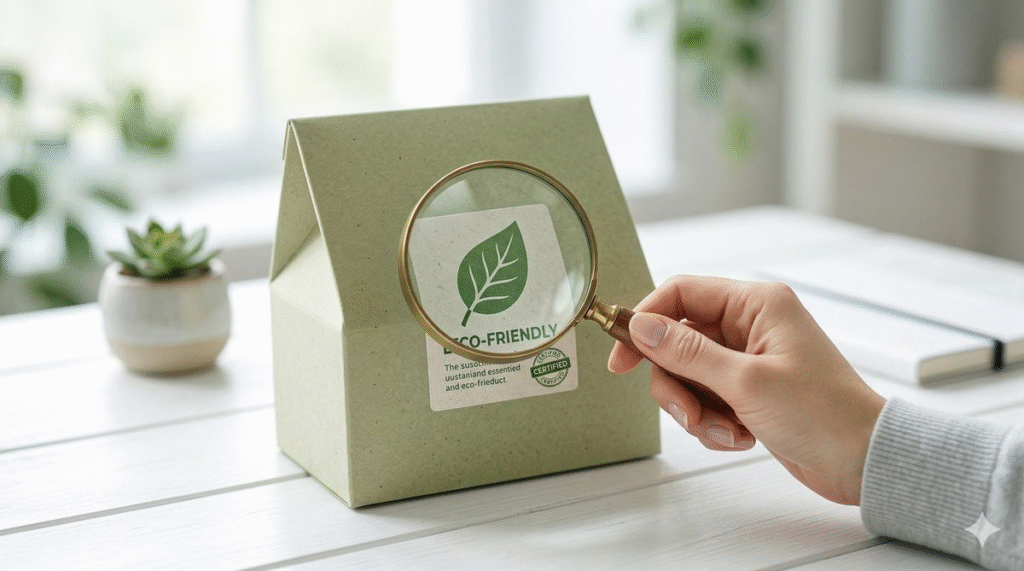
Greenwashing happens when environmental claims create a more sustainable impression than the evidence supports.
This can damage customer trust and create regulatory or reputational risks.
Businesses should make sure sustainability claims are:
- Specific
- Accurate
- Understandable
- Supported by evidence
- Relevant to the actual product or service
If a business is still improving its sustainability practices, it can simply communicate what it has already changed and what it is working on next.
Honest progress is more useful than exaggerated claims.
Green Business Opportunities in 2026
Sustainability is also creating opportunities for entrepreneurs.
The growing interest in resource efficiency, waste reduction, renewable energy, sustainable materials, and responsible consumption has opened space for new products and services.
| Business Idea | Potential Focus |
|---|---|
| Refill Stores | Reduce single-use packaging |
| Repair Services | Extend product life |
| Sustainable Packaging | Alternative packaging solutions |
| Upcycled Products | Turn waste materials into products |
| Second-Hand Platforms | Product reuse and resale |
| Energy Auditing | Help businesses reduce energy use |
| Eco-Friendly Cleaning | Lower-impact cleaning products |
| Sustainable Fashion | Responsible materials and resale |
| Food Waste Solutions | Reduce commercial food waste |
| Green Consulting | Help companies develop sustainability plans |
| EV Services | Support electric mobility |
| Reusable Product Businesses | Replace disposable products |
Not every idea will work in every market. Entrepreneurs still need to research customers, pricing, competition, regulations, and operating costs before launching.
Sustainable Fashion and Retail
Fashion and retail are two industries where sustainability has become a major topic.
Businesses are experimenting with:
- Recycled materials
- Organic or lower-impact materials
- Clothing resale
- Rental models
- Repair services
- Made-to-order production
- Reduced packaging
- Smaller production runs
Consumers can also participate by buying fewer unnecessary products, choosing durable items, repairing clothing, and considering resale options.
For businesses, the challenge is balancing sustainability with affordability, quality, supply availability, and customer expectations.
Sustainable Food Businesses

Restaurants, cafes, food brands, and grocery businesses can also explore sustainability.
Practical approaches include:
- Better inventory planning
- Reducing food waste
- Seasonal sourcing
- Reusable or recyclable packaging
- Efficient kitchen equipment
- Responsible water use
- Food donation programs where appropriate
- Composting where available
Food businesses can start by identifying which ingredients are most frequently wasted.
A small change in purchasing or portion planning can sometimes make a meaningful operational difference.
Sustainable Offices
Even businesses that do not manufacture physical products can improve their environmental practices.
An office sustainability checklist might include:
- Digital documents
- Energy-efficient lighting
- Responsible e-waste disposal
- Reusable kitchen items
- Reduced printing
- Efficient heating and cooling
- Recycling systems
- Sustainable office supplies
- Remote meeting options
- Employee awareness programs
These changes do not have to happen simultaneously.
A company can start with one or two areas, measure the results, and then expand the program.
Benefits of Sustainable Business Practices
Sustainability does not guarantee business growth, but responsible resource management can offer several practical benefits.
Lower Operating Costs
Using less electricity, water, packaging, or raw materials can reduce certain operating expenses.
Better Resource Management
Tracking resources can help companies identify inefficiencies.
Customer Trust
Clear and credible sustainability practices can help businesses communicate their values to customers who care about environmental issues.
Innovation
Sustainability challenges can encourage companies to rethink products, services, packaging, and supply chains.
Long-Term Planning
Businesses that consider resource availability, regulation, supply chains, and environmental risks may be better prepared for changing operating conditions.
Common Green Business Mistakes
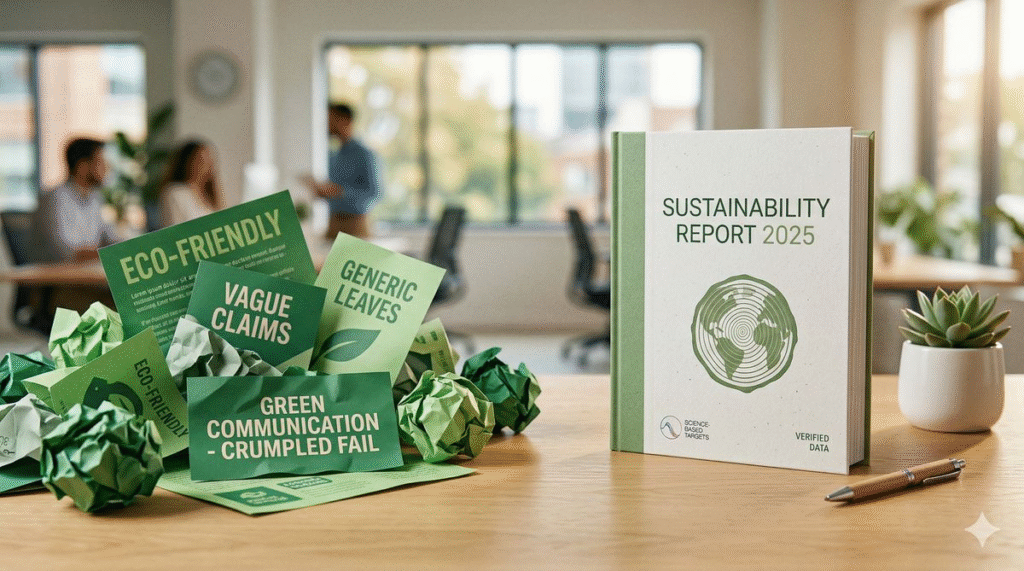
Sustainability efforts can fail when businesses focus more on appearance than actual impact.
Trying to Change Everything at Once
A large sustainability program can become difficult to manage. Start with realistic priorities.
Focusing Only on Marketing
Changing packaging for marketing purposes while ignoring larger operational waste can create an incomplete sustainability strategy.
Ignoring Costs
A sustainable option still needs to make financial and operational sense for the business.
Making Unsupported Claims
Avoid environmental claims that cannot be demonstrated.
Forgetting Employees
Employees are often directly involved in implementing sustainability practices. Clear communication and practical training can make changes easier to adopt.
A Simple Green Business Framework
Businesses can use a simple framework to organize their sustainability efforts:
Measure → Reduce → Replace → Reuse → Improve → Report
Measure: Understand current resource use.
Reduce: Remove unnecessary consumption.
Replace: Find better alternatives where practical.
Reuse: Keep materials and products in use for longer.
Improve: Continue testing better methods.
Report: Communicate measurable progress honestly.
This approach keeps sustainability connected to everyday business decisions instead of treating it as a one-time campaign.
Green Business Trends to Watch in 2026

Several areas are likely to remain important for businesses working on sustainability.
Circular Commerce
More businesses are exploring repair, resale, refurbishment, and product take-back models.
Sustainable Packaging
Companies are looking for ways to reduce packaging material while maintaining product protection.
Energy Efficiency
Businesses are paying closer attention to energy consumption and operational efficiency.
Supply Chain Transparency
Understanding where products and materials come from is becoming increasingly important.
Sustainable Technology
Digital tools can help businesses measure resources, forecast demand, manage operations, and identify inefficiencies.
Responsible Consumerism
Customers continue to show interest in durability, reuse, repair, and responsible sourcing, although purchasing decisions are also influenced by price, convenience, quality, and availability.
How to Create a Green Business Plan
A practical green business plan can be organized around five areas:
| Area | Question to Ask |
|---|---|
| Energy | Where can we reduce unnecessary energy use? |
| Materials | Can we use fewer or better materials? |
| Waste | What are we throwing away most often? |
| Supply Chain | Can we improve sourcing and transportation? |
| Products | Can we make products more durable, repairable, or reusable? |
Review these areas regularly rather than treating sustainability as a one-time project.

How to Use AI Tools to Find the Best Deals Online in 2026
Online shopping makes it easy to explore thousands of products, but finding the right product…
Latest Gadgets & Devices 2026: Best Tech Products & Reviews
Technology has become a regular part of everyday life. From smartphones and wireless earbuds to…

Green Business in 2026: Sustainable Strategies, Trends & Growth Opportunities
Running a business is no longer only about selling a product, increasing revenue, and finding…
The Ultimate Guide to Government and Governance in 2026
Government is something people interact with almost every day, even when they do not always…

Latest Music & Audio Trends You Need to Know in 2026
Music and audio are changing faster than ever. Streaming platforms, short-form videos, podcasts, smart devices,…

Top Business & Economic Trends to Watch in 2026
Let’s skip the dry economic jargon for a minute. If you’ve run a business, managed…