
Technology has become a regular part of everyday life. From smartphones and wireless earbuds to smartwatches, laptops, gaming devices, and smart home products, new gadgets are constantly changing the way people work, communicate, study, travel, and relax.
With so many new devices launching every year, choosing the right gadget can be confusing. A product may look impressive in an advertisement, but the features that actually matter can be very different depending on how you plan to use it.
This guide to the latest gadgets and devices in 2026 covers the major technology categories, important features to consider, current gadget trends, and practical tips for choosing devices that fit your needs and budget.
What Are Gadgets & Devices?
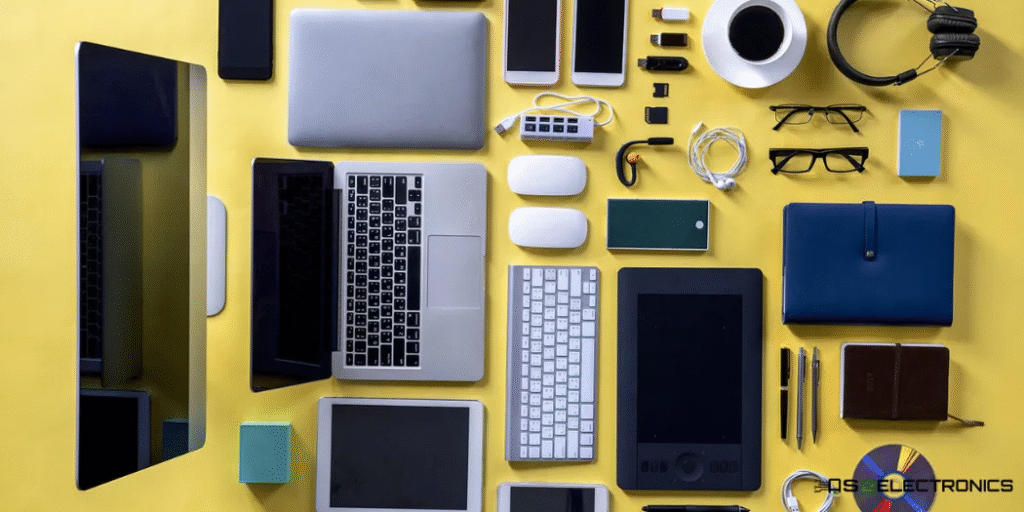
Gadgets and devices are electronic products designed to perform specific tasks or make everyday activities easier. Some are built for communication, while others focus on entertainment, productivity, health tracking, photography, gaming, or home automation.
Common examples include:
- Smartphones
- Laptops and tablets
- Smartwatches
- Wireless earbuds
- Smart speakers
- Gaming consoles
- Cameras
- Portable chargers
- Smart home devices
- Streaming devices
- Fitness trackers
- E-readers
The best device depends on the person using it. A student may prioritize battery life and portability, while a professional may care more about performance, screen quality, and multitasking.
Popular Gadget Categories in 2026
The gadget market is broad, and different devices serve different purposes.
| Gadget Category | Common Uses | Important Features |
|---|---|---|
| Smartphones | Communication, apps, photography | Camera, battery, display, performance |
| Laptops | Work, study, creative tasks | Processor, RAM, storage, display |
| Tablets | Entertainment, reading, productivity | Screen, battery, accessories |
| Smartwatches | Fitness, notifications, tracking | Sensors, battery, compatibility |
| Earbuds | Music, calls, entertainment | Sound, microphone, comfort, battery |
| Gaming Devices | Gaming and entertainment | Graphics, performance, display |
| Smart Home Devices | Home automation | Connectivity, compatibility, controls |
| Cameras | Photography and video | Sensor, lens support, stabilization |
| Power Banks | Portable charging | Capacity, charging speed, ports |
Smartphones Continue to Be Everyday Essentials
Smartphones remain one of the most important personal gadgets for many people. A modern phone can work as a communication device, camera, navigation tool, entertainment system, payment device, and productivity assistant.
When comparing smartphones, do not focus only on megapixel counts or processor names.
- Display quality
- Battery capacity and charging
- Camera performance
- Processor performance
- Storage
- Software experience
- Update support
- Build quality
- Connectivity
- Repair and accessory availability
A more expensive smartphone is not automatically the right choice. Someone who mainly uses messaging, social media, navigation, and streaming may not need the same specifications as a mobile gamer or professional photographer.
Laptops and Computers for Work and Study
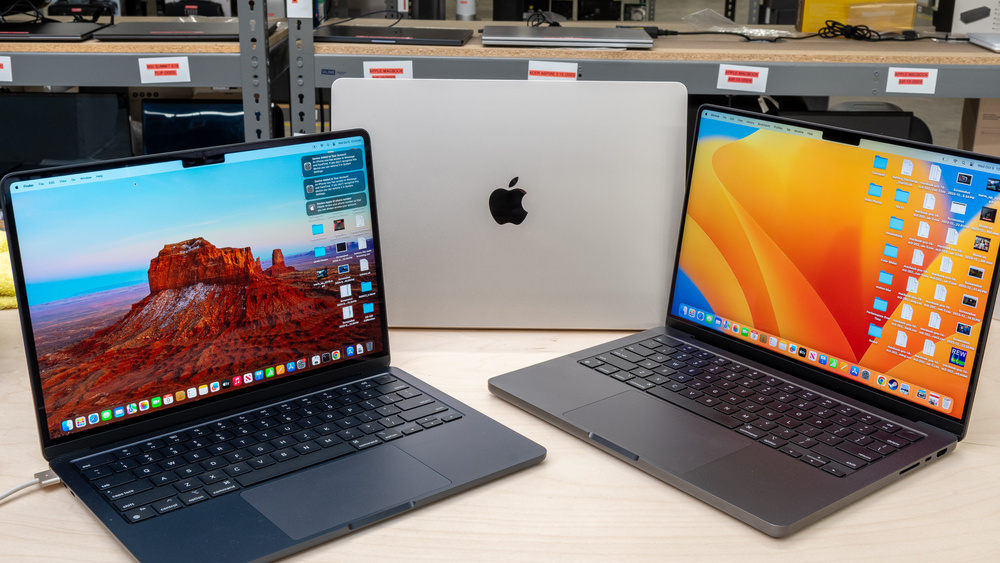
Laptops continue to be essential for students, professionals, developers, designers, and creators.
Before buying a laptop, think about the work you actually perform.
For basic browsing and office work, a mid-range system may be sufficient. More demanding tasks such as video editing, 3D work, software development, and gaming can require stronger processors, more memory, faster storage, and dedicated graphics.
Key Laptop Features to Compare
Processor: Determines how efficiently the computer handles many tasks.
RAM: More memory can help with multitasking and demanding applications.
Storage: SSD storage generally provides faster everyday performance than traditional hard drives.
Display: Resolution, brightness, color accuracy, and refresh rate can matter depending on your work.
Battery: Important if you frequently work away from a power outlet.
Portability: A lightweight laptop can be more convenient for students and frequent travelers.
Tablets Are Becoming More Flexible
Tablets sit between smartphones and laptops, offering a larger display without the bulk of a traditional computer.
They can be useful for:
- Reading
- Watching videos
- Taking notes
- Drawing
- Online classes
- Browsing
- Light productivity
- Presentations
- Travel entertainment
A tablet becomes more useful for productivity when paired with accessories such as a keyboard or stylus.
Smartwatches and Fitness Devices
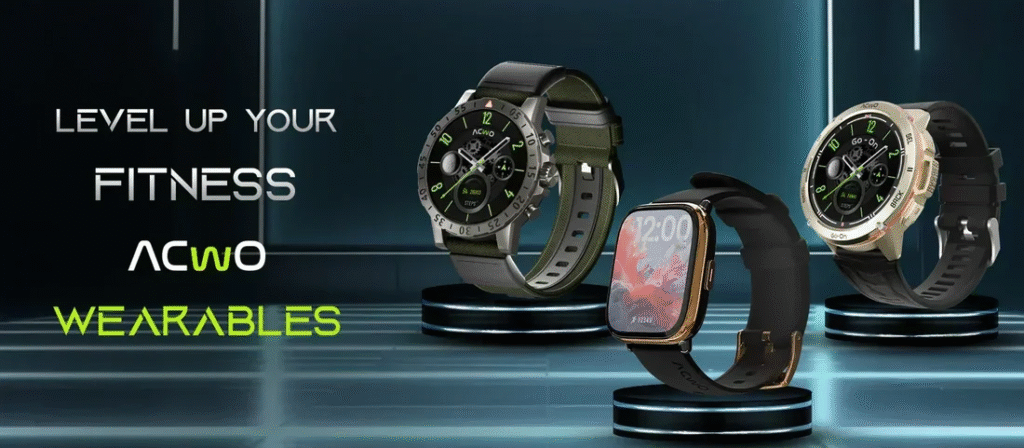
Smartwatches have moved beyond simple notification displays. Many devices now include fitness tracking, activity monitoring, sleep-related features, GPS, and other sensors.
When comparing a smartwatch, consider:
- Smartphone compatibility
- Battery life
- Display
- GPS
- Fitness features
- Available apps
- Comfort
- Water resistance
- Health-related sensors
Not everyone needs every available feature. If you mainly want notifications and basic activity tracking, a simpler wearable may be enough.
Wireless Earbuds and Headphones
Wireless audio devices have become popular because they are convenient for commuting, workouts, calls, gaming, and entertainment.
Important features include:
- Sound quality
- Active noise cancellation
- Microphone quality
- Battery life
- Comfort
- Charging case
- Bluetooth connectivity
- Water or sweat resistance
Comfort is particularly important. Even technically impressive earbuds may not be enjoyable if they do not fit well.
Smart Home Gadgets
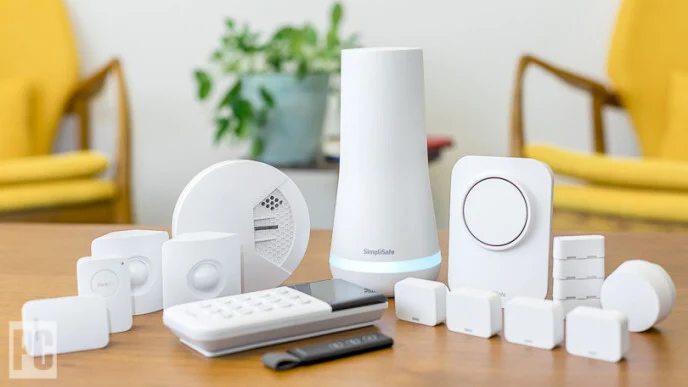
Smart home technology is another growing area of consumer electronics. Smart lights, plugs, cameras, speakers, displays, thermostats, and other connected devices can automate everyday tasks.
For example, a smart plug can help control a traditional appliance remotely, while smart lighting can allow users to adjust brightness or schedules through an app.
Before buying smart home devices, check compatibility with the ecosystem you already use. A device that works well on its own may become more useful when it connects smoothly with your other products.
Gaming Gadgets and Devices
Gaming hardware continues to evolve across consoles, PCs, handheld systems, monitors, controllers, keyboards, mice, and audio equipment.
For gaming setups, performance is important, but the experience also depends on the display, controls, storage, network connection, and accessories.
Popular Gaming Accessories
- Gaming keyboards
- Gaming mice
- Controllers
- Gaming headsets
- Mechanical keyboards
- High-refresh-rate monitors
- Streaming equipment
- Portable gaming devices
- External storage
The right combination depends on the games you play and the platform you use.
Cameras and Content Creation Devices
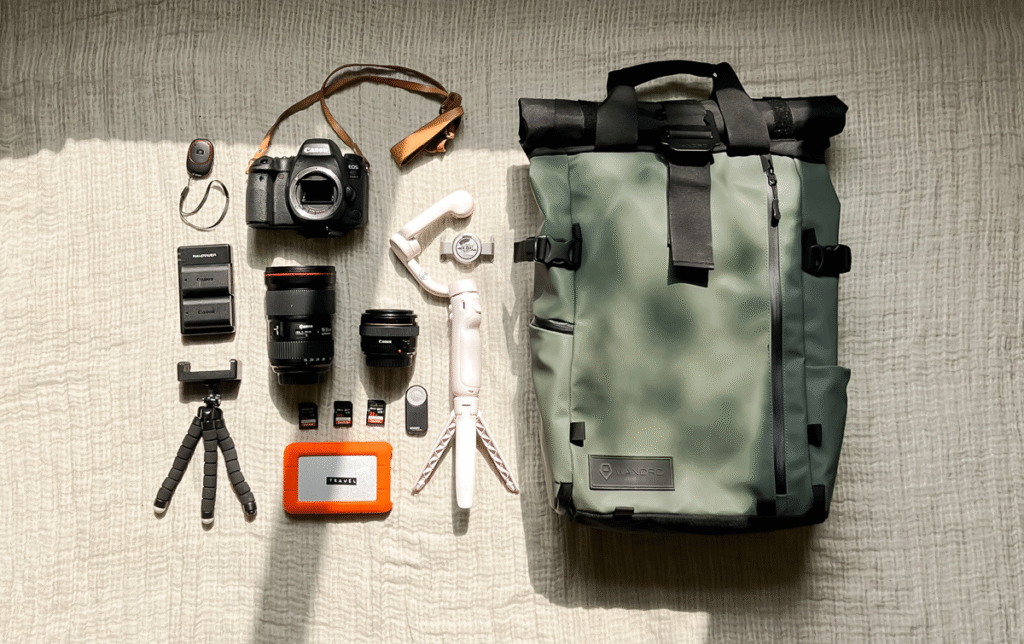
Photography and video creation have become accessible to more people through smartphones, mirrorless cameras, action cameras, webcams, microphones, and lighting equipment.
Creators should look beyond camera resolution and consider the complete setup.
For video, stabilization, autofocus, microphone quality, low-light performance, storage, and battery life can be just as important as resolution.
For photography, sensor quality, lens selection, autofocus, dynamic range, and ergonomics may matter more than simply having a high megapixel count.
Portable Power and Charging Gadgets
As people rely on multiple devices throughout the day, portable charging products have become increasingly useful.
Power banks, multi-device chargers, charging stations, and compact travel adapters can make it easier to keep gadgets powered.
When choosing a charging accessory, check:
- Power output
- Supported charging standards
- Number of ports
- Capacity
- Size and weight
- Cable compatibility
- Safety features
Using compatible chargers and cables is important for reliable charging and device safety.
Gadget Trends to Watch in 2026
Technology trends continue to influence the gadgets people buy.
AI-Powered Devices
Artificial intelligence is increasingly being integrated into consumer devices. Features may include smarter assistants, image editing, translation, writing support, personalization, and device automation.
The important question is not simply whether a gadget has AI. Look at what the AI features actually do and whether they are useful for your everyday needs.
Foldable Devices
Foldable smartphones and other flexible-screen devices continue to explore new ways of combining portability with larger displays.
Their appeal often comes from offering a different form factor rather than simply improving traditional smartphone specifications.
More Connected Devices
Smartphones, watches, earbuds, laptops, televisions, cars, and home devices are increasingly designed to work together.
A connected ecosystem can make it easier to share files, synchronize notifications, control devices, and move between products.
Better Battery Technology
Battery life remains one of the most important considerations when buying electronics. Manufacturers continue to focus on charging speed, battery efficiency, and power management.
For many buyers, a device that lasts comfortably through the day may be more useful than one with slightly higher benchmark performance.
More Portable Technology
Compact laptops, tablets, handheld gaming devices, wireless accessories, and lightweight cameras are making technology easier to carry.
This trend is particularly useful for students, remote workers, travelers, and creators who work from different locations.
Best Gadgets for Different Users
| User Type | Useful Gadget Categories |
|---|---|
| Students | Laptop, tablet, earbuds, power bank |
| Professionals | Laptop, smartphone, monitor, wireless headset |
| Travelers | Smartphone, power bank, earbuds, compact camera |
| Gamers | Gaming PC/console, monitor, headset, controller |
| Content Creators | Camera, microphone, laptop, lighting |
| Fitness Users | Smartwatch, fitness tracker, wireless earbuds |
| Home Users | Smart speaker, smart lights, streaming device |
| Photographers | Camera, lenses, storage, editing laptop |
Common Gadget Buying Mistakes
Buying new technology can be exciting, but it is easy to spend money on features you may never use.
Some common mistakes include:
- Buying based only on brand popularity
- Choosing the most expensive model without checking needs
- Ignoring battery life
- Overlooking software support
- Not checking device compatibility
- Focusing only on specifications
- Forgetting accessory costs
- Buying outdated hardware because of a large discount
- Ignoring warranty and service options
A little research before buying can prevent many of these problems.
How to Keep Your Gadgets Working Longer
Buying a good device is only the beginning. Proper care can help maintain its performance.
Keep your devices clean, use suitable chargers and accessories, install important software updates, protect screens and ports, and avoid exposing electronics to unnecessary heat or moisture.
For laptops and smartphones, keeping enough free storage can also make everyday use more comfortable.
When a battery becomes noticeably weaker, check whether the manufacturer or an authorized service provider offers battery replacement rather than immediately replacing the entire device.
Where to Find Better Gadget Information
Before purchasing a device, compare information from multiple sources.
Look at:
- Official product specifications
- Independent reviews
- Long-term user experiences
- Comparison articles
- Warranty information
- Software update policies
- Current pricing
- Available accessories
This approach gives you a clearer picture than relying on a single advertisement or short review.