
Keeping your home tidy and staying updated on government policies often feel like two completely different worlds. Yet, both share the exact same underlying challenge: cutting through excessive noise to build simple, practical systems that actually work in everyday life.
Whether you are tired of stepping over clutter on your living room floor or struggling to understand how tax and welfare changes affect your bank account, this human-first guide breaks down both subjects with zero jargon, no unrealistic perfectionism, and clear, actionable steps.
PART 1: Real-World Home Organization (Systems That Stay Neat)

Most home organization advice on social media is wildly unrealistic. Hyper-curated photos featuring crystal-clear acrylic pantries with every single cereal box decanted into matching containers look incredible for about forty-eight hours. Then real life happens. You come home exhausted from work, dump a bag of groceries on the counter, throw your mail on the table, and within a week, your space looks like a bomb went off again.
True home organization isn’t about creating a picture-perfect showroom that requires a full-time staff to maintain. In 2026, real organization is about building low-friction, human-centered systems. It means setting up your living space so that putting an item away takes zero effort, keeping your daily routines smooth, and stopping clutter at the front door before it spreads across your entire house.
The “Low-Friction” Rule of Organization

Why do most organization attempts fail after two weeks? Because people design systems for who they wish they were, rather than how they actually live.
Every time you put an item away, your brain calculates the physical and mental effort required to do so. Psychologists call this friction.
  HIGH-FRICTION SYSTEM (Destined to Fail):
  Item in hand ──> Walk across house ──> Open closet ──> Unstack 3 boxes ──> Put item away ──> (Result: Item left on counter)

  LOW-FRICTION SYSTEM (Stays Organized):
  Item in hand ──> Drop into open basket right where you stand ──> Done
The 2-Second Rule
If putting something back where it belongs takes more than two seconds or requires more than two physical actions (e.g., opening a door, lifting a heavy lid, moving another box out of the way), you will eventually stop doing it.
- High Friction: A covered storage box sitting under three other boxes in the back of a closet.
- Low Friction: An open, labeled canvas bin sitting on a shelf right at eye level.
To keep your home tidy, always prioritize open, accessible, single-step storage over hidden, complex, multi-tiered systems.
The Practical Tool Matrix for Real Homes
Before buying random containers at the store, figure out which tools actually solve specific storage headaches in your layout:
| Home Zone | Common Clutter Problem | The Low-Friction Fix | Maintenance Effort | Practicality Score |
| Kitchen Junk Drawer | Tangled cables, loose batteries, keys | Adjustable spring-loaded drawer dividers | 1 min per month | Absolute Necessity |
| Pantry & Cabinets | Knocking over sauce bottles in the back | Turntables (Lazy Susans) & Shelf Risers | Zero maintenance | Massive Daily Value |
| Entryway & Hallway | Shoes & mail piling up by the front door | Open wire baskets & wall-mounted peg hooks | 5 seconds daily | High Friction-Reducer |
| Closet & Wardrobe | Piles of clothes on “The Chair” | Over-the-door hanging racks & shelf bins | 2 mins weekly | High Utility |
| Under-Bed Space | Dusty, forgotten junk scattered underneath | Shallow rolling storage drawers with clear lids | 5 mins seasonal | Great for Small Homes |
| Work Desk / Office | Cable chaos hanging behind the table | Under-desk tray channels & Velcro straps | Set once & forget | Essential Focus-Booster |
Activity Zoning: Organize by Action, Not Room
The traditional way people organize is room-by-room: “Today I am doing the bedroom, tomorrow the kitchen.” A far more effective approach is Activity Zoning. Group your belongings based on where you actually perform the activity, regardless of where traditional logic says the item should live.
┌───────────────────────────────────────────────────────────┐
│                ACTIVITY ZONING EXAMPLES                   │
├───────────────────────────────────────────────────────────┤
│ COFFEE ZONE    ──> Beans, mugs, spoons, sugar all together │
│ PACKAGING ZONE ──> Tape, scissors, boxes kept in one bin  │
│ WORKOUT ZONE   ──> Bands, mat, water bottle by the door   │
│ OUTING ZONE    ──> Keys, wallet, sunglasses at eye level  │
└───────────────────────────────────────────────────────────┘
1. The Entryway “Drop Zone”
The entryway is your home’s first line of defense against chaos. When you step through the front door carrying bags, mail, coats, and keys, you need an immediate place to unload.
- Set up a small table or wall shelf right by the door.
- Place an open tray for keys and wallets.
- Install heavy-duty hooks for bags and jackets at shoulder height.
- Place an open shoe rack or large basket directly underneath for daily footwear.
If you have to walk twenty feet into a bedroom closet just to hang up your daily coat, your coat will end up draped over a dining chair every single time.
2. The Kitchen “Action Hubs”
Instead of spreading coffee items across three different cupboards, group items by task:
- The Morning Hub: Coffee maker, coffee beans, filters, mugs, and sweeteners all stored within arm’s reach of the water source.
- The Cooking Hub: Oils, salt, pepper, common spices, and spatulas arranged right next to the stove on a rotating Lazy Susan.
Smart Digital Inventory for Hidden Storage
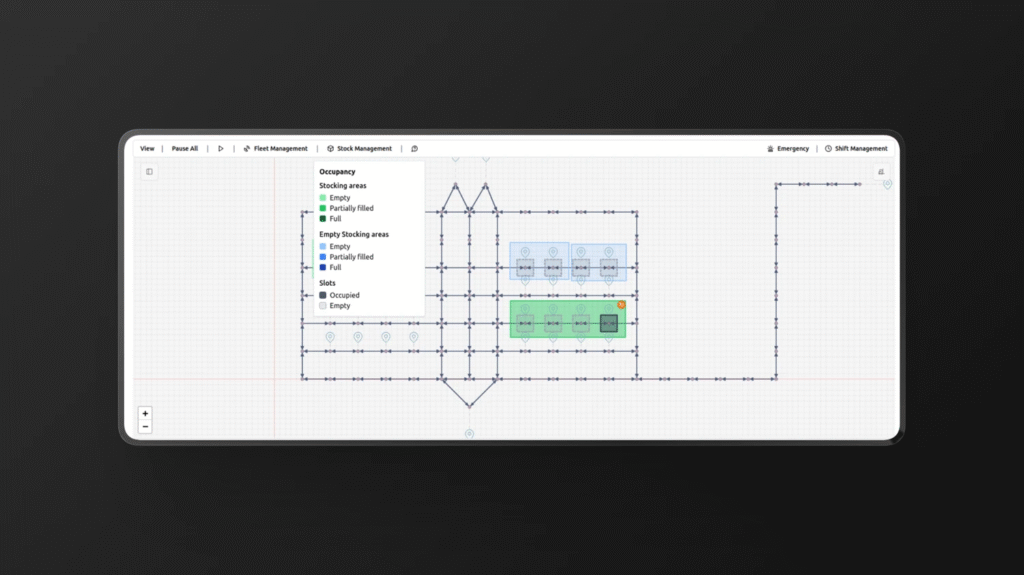
For seasonal items, holiday decorations, extra bedding, and archival paperwork, digital tracking tools can save you from digging through ten sealed boxes just to find one item.
┌───────────────────────────────────────────────────────────┐
│               DIGITAL BOX TRACKING WORKFLOW               │
├───────────────────────────────────────────────────────────┤
│ STEP 1: Pack box with seasonal items or documents.        │
│ STEP 2: Stick a reusable QR code or numbered tag on outside│
│ STEP 3: Snap a photo of contents in your phone notes app. │
│ STEP 4: Scan tag to see inside without opening the box.   │
└───────────────────────────────────────────────────────────┘
How to Build a Simple Digital System
- Label Boxes by Number: Assign every opaque storage box a bold, permanent number (e.g., Box 01, Box 02).
- Create a Master Note: In your phone’s default notes app, create an entry titled “Storage Inventory.”
- List Contents & Snap Photos: Type out the items inside each numbered box and attach a quick photo before closing the lid.
- Search Instantly: Six months later, when you are looking for your winter gloves, simply search “gloves” in your notes app. The phone instantly tells you: “Box 04, Top Shelf of Closet.”
The “One-In, One-Out” Maintenance System
You cannot organize your way out of having too much stuff. The best organization tool in the world will fail if your drawers are packed to 110% capacity.
  THE EQUILIBRIUM RULE:
  Buy 1 New Pair of Shoes ──> Donate / Toss 1 Old Pair of Shoes = Zero Added Clutter
To maintain an organized house over the long term without spending hours cleaning every weekend, adopt the One-In, One-Out Rule:
- Whenever a new shirt, pair of shoes, kitchen gadget, or book enters your home, choose an existing item in that same category to donate, sell, or throw away.
- Keep a dedicated “Outbox Basket” in the bottom of your closet or garage. Whenever you notice an item that no longer fits, functions, or brings you value, toss it into the Outbox. When the basket fills up, drop it off at a local charity center.
PART 2: Government Policies 2026 (Real-World Breakdown)

Just like home organization, understanding government policies often feels unnecessarily complex. Official press releases sound like they were written by a legal textbook trying to put you to sleep. When a cabinet minister talks about “integrated fiscal allocation frameworks” or “sectoral direct benefit transfer recalibrations,” your eyes probably glaze over.
At the end of the day, you don’t need a degree in public administration to understand what’s happening in 2026. You just want straight answers to three very simple questions:
- Is this going to affect my money, my farm, my family, or my small business?
- Is this actually happening right now on the ground, or is it just a proposal sitting in a committee?
- Do I need to go update a document, file a form, or do something about it today?
The “Hype vs. Reality” Policy Filter
Before reading about specific schemes, you need a quick mental filter to protect yourself from the massive wave of clickbait spreading across social media. In India, every time a new policy or budget proposal is mentioned on TV, sensational headlines start shouting: “NEW RULE APPLIED FROM TODAY!” or “EVERY CITIZEN TO GET RS 10,000 IN BANK!”
Nine times out of ten, these posts leave out the fine print.
                  THE POLICY REALITY FILTER

                    CABINET ANNOUNCEMENT
                 ("We plan to do X thing...")
                               │
                               ▼
                      BUDGET ALLOCATION
                 ("We set aside ₹X for it...")
                               │
                               ▼
                   OFFICIAL NOTIFICATION
               ("Rules take effect on X date.")
                               │
                               ▼
                   ON-THE-GROUND IMPLEMENTATION
              ("Local offices are now processing it.")
- Announcement ≠ Immediate Rule: Just because the Cabinet approves a plan doesn’t mean your local office or bank can process it the next morning.
- Extension ≠ Brand-New Scheme: Many “major announcements” are simply existing welfare programs receiving a fresh extension or updated funding allocation for the next few years.
- Always Check Official Sources: If a viral post tells you that your tax slab or bank KYC rules changed overnight, spend two minutes checking the official Press Information Bureau (PIB) or relevant ministry website before panicking.
The 2026 Policy Impact Matrix
To save you from wading through official budget documents, here is a consolidated snapshot of the biggest ongoing policy updates in 2026, broken down by who they actually impact:
| Policy Area | Latest 2026 Update | Who It Directly Impacts | Real-World Takeaway & Action Item | Practical Impact Score |
| Taxation & Compliance | Income Tax Act frameworks active with revised, simplified forms. | Salaried employees, freelancers, & small business owners | Check revised tax slabs and simplified filing forms on the IT portal; don’t rely on old advice. | Critical for Your Wallet |
| Agricultural Income | PM-KISAN extended through 2030-31 with a massive outlay. | Small and marginal landholding farmer families | ₹6,000/year continues via direct bank transfer; ensure your e-KYC and land seeding remain updated. | Vital Household Support |
| Rural Water Infrastructure | Jal Jeevan Mission 2.0 extended to Dec 2028 with ₹8.69 lakh crore outlay. | Rural households, village panchayats, & local contractors | Shifts focus from installing raw pipes to keeping tap water safe and reliable 24/7. | Essential Living Quality |
| Food Distribution | SARTHAK-PDS extended for 5 years with ₹25,530 crore funding. | Ration cardholders & Fair Price Shop operators | Uses better tech to stop grain leaks and reduce delays at ration shops. | High Daily Welfare Value |
| Digital Welfare | CBDC-based Direct Benefit Transfer pilot expands in select Union Territories. | Welfare scheme beneficiaries & retail bankers | Tests paying welfare directly via digital rupee tokens instead of traditional bank accounts. | Digital Tech Expansion |
| Crop Price Stability | PM-AASHA frame allocation boosted for price-support procurement. | Farmers growing pulses, oilseeds, & copra | Helps prevent distress sales when market prices drop below government floor prices. | Critical Farm Protection |
| Youth & Athletics | Khelo India & Sports Federation assistance expanded through 2030-31. | Young athletes, school students, & sports academies | More structured grass-roots funding, better training facilities, and organized talent scouts. | Long-term Youth Benefit |
Deep-Dive into the Policy Changes That Matter Most
┌───────────────────────────────────────────────────────────┐
│              THE 3 BIG POLICY PILLARS OF 2026             │
├───────────────────────────────────────────────────────────┤
│ 1. TAXATION SIMPLIFICATION ──> Cleaner rules & fewer forms│
│ 2. DIRECT BENEFIT EXTENSIONS──> Long-term predictable cash│
│ 3. INFRASTRUCTURE RELIABILITY──> Focus on service delivery │
└───────────────────────────────────────────────────────────┘
1. Taxation: Simplified Compliance Frameworks

With the updated tax framework kicking in for the assessment cycle, the primary goal has been reducing the sheer clutter of compliance.
- What changed: Tax forms are being streamlined, and language that previously required a team of chartered accountants to decipher is being simplified.
- The real-world catch: Simplified forms don’t automatically mean you pay zero tax. It simply means filing should involve fewer headaches, reduced paperwork friction, and faster refund processing cycles.
2. Jal Jeevan Mission 2.0: Moving Beyond the Pipe
Installing a tap in a village is relatively easy; making sure clean, drinkable water actually flows out of that tap every single morning for five years is the hard part.
- The Shift in Strategy: Under Jal Jeevan Mission 2.0, state governments and local water committees are being held accountable for water quality and system maintenance, rather than just counting the number of physical pipelines laid down in the dirt.
3. Digitized Public Distribution (SARTHAK-PDS & CBDC)
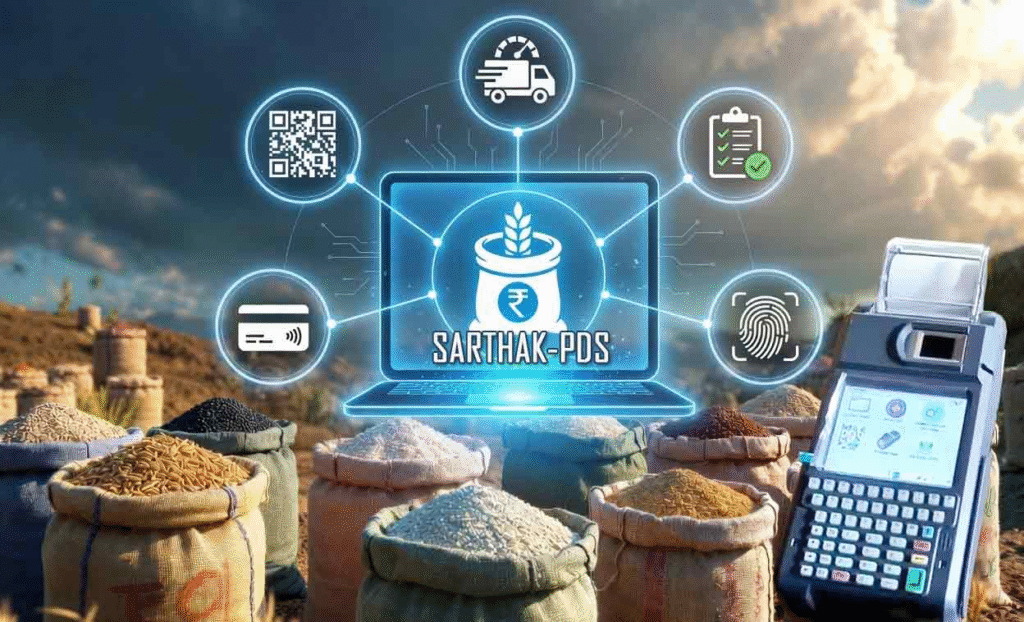
The days of manual paper registers at local ration shops are rapidly ending.
- Why tech matters here: By linking grain movements to digital tracking and testing Direct Benefit Transfer via Central Bank Digital Currency (CBDC) tokens in pilot regions, the system aims to cut down on middleman leakage. For a family relying on subsidized monthly grains, a smoother digital system means less time standing in line and fewer instances of “stock out” excuses at the counter.
How to Protect Yourself from Fake “Rule Change” Rumors
Misinformation travels five times faster than official government gazette notifications. Follow this simple 3-step audit whenever you read about a supposed new rule change online:
┌───────────────────────────────────────────────────────────┐
│               THE 3-STEP FAKE NEWS AUDIT                  │
├───────────────────────────────────────────────────────────┤
│ STEP 1: Look for the source link (Must end in .gov.in).   │
│ STEP 2: Check the Press Information Bureau (PIB) portal.  │
│ STEP 3: Confirm effective dates before making payments.   │
└───────────────────────────────────────────────────────────┘
- Check the Domain: Official announcements from the Central Government always live on websites ending in
.gov.inor.nic.in. If an article cites a random blog or an unverified third-party link, treat it with extreme skepticism. - Search the PIB Fact Check Handle: The Press Information Bureau regularly debunks viral fake circulars regarding tax waivers, fake hiring drives, and bogus cash grant schemes.
- Never Pay Fees to “Unlock” Scheme Benefits: No legitimate government welfare scheme asks you to transfer a “processing fee” or “document charge” to a private UPI address or individual bank account to release your benefits.

How to Use AI Tools to Find the Best Deals Online in 2026
Online shopping makes it easy to explore thousands of products, but finding the right product…
Latest Gadgets & Devices 2026: Best Tech Products & Reviews
Technology has become a regular part of everyday life. From smartphones and wireless earbuds to…

Green Business in 2026: Sustainable Strategies, Trends & Growth Opportunities
Running a business is no longer only about selling a product, increasing revenue, and finding…
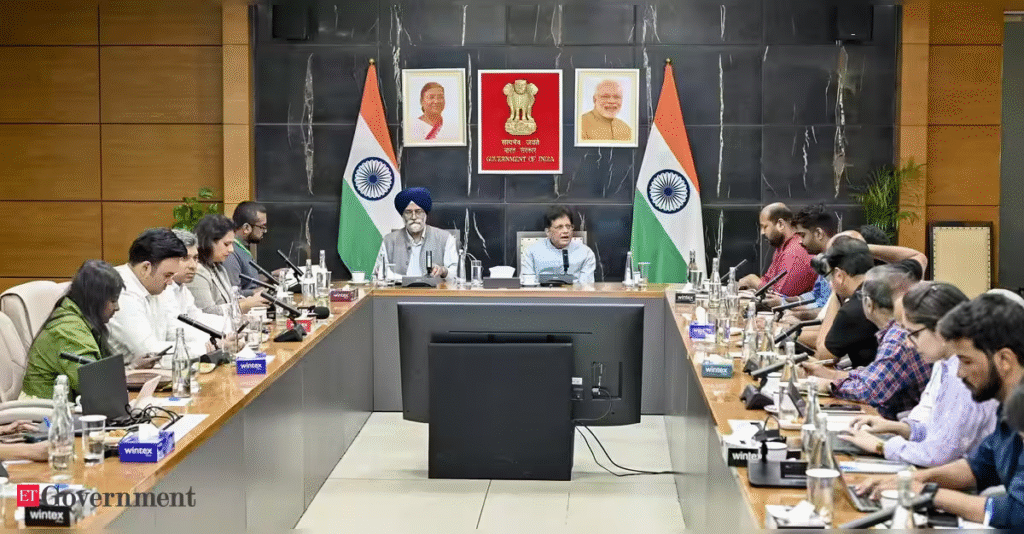
The Ultimate Guide to Government and Governance in 2026
Government is something people interact with almost every day, even when they do not always…

Latest Music & Audio Trends You Need to Know in 2026
Music and audio are changing faster than ever. Streaming platforms, short-form videos, podcasts, smart devices,…

Top Business & Economic Trends to Watch in 2026
Let’s skip the dry economic jargon for a minute. If you’ve run a business, managed…