
It is easy to watch global news and feel like you are looking at a distant planet. Broadcasters Politics debate macro-economic forecasts, geopolitical supply routes, sovereign technology frameworks, and international trade disputes. The language is dense, the headlines are dramatic, and the whole thing feels completely disconnected from your morning commute or your grocery receipt.
Except it isn’t.
The biggest secret of modern global affairs is that there is no such thing as a distant decision anymore. The economic policies passed in parliament buildings, the trade tariffs signed across borders, and the technology regulations debated by international committees eventually filter directly down to your kitchen table.
When global supply chains experience friction, the price of coffee or laptops ticks upward. When governments clash over energy security, your monthly utility bills shift. When central banks tweak policy interest rates, your rent, mortgage, or credit card terms feel the pinch.
Here is a straightforward, grounded look at how the biggest structural shifts in world affairs, economics, and technology are reshaping everyday reality—and how you can make sense of it all without getting overwhelmed.
The Cheat Sheet: Global Trends vs. Everyday Reality
To cut through the jargon, here is how high-level global policy developments map directly onto your real-world daily life:
| High-Level Global Trend | What Governments & Markets Are Doing | What It ACTUALLY Means at Home |
| Geoeconomic “Friend-Shoring” | Moving manufacturing away from single countries to trusted regional partners. | More reliable product availability, but baseline prices stay slightly higher. |
| Sovereign AI Infrastructure | Mandating local data hosting and domestic cloud processing. | Stronger personal data privacy, though software updates roll out more cautiously. |
| Grid Reliability & Baseload Power | Balancing green energy expansion with nuclear and natural gas grid stability. | Changing energy bill rates, seasonal peak pricing, and home efficiency rebates. |
| Zero-Click Information Ecosystems | AI-driven search engines and social platforms answer questions directly on-page. | Getting quick answers faster, but needing higher critical thinking to spot accurate sources. |
The 5 Big Shifts Changing Your World
+---------------------------------------------------------------------------------+
|                       THE DYNAMICS OF TODAY'S GLOBAL ECONOMY                    |
|                                                                                 |
|  OLD MODEL: Hyper-Globalization ──> Cheapest Production ──> Fragile Supply      |
|                                                                                 |
|  NEW MODEL: Economic Resilience ──> Local/Regional Hubs ──> Secure Supply Lines  |
|                                                                                 |
|  The Main Goal: Keeping store shelves stocked and essential services stable.    |
+---------------------------------------------------------------------------------+
1. Supply Chains Are Prioritizing “Resilience” Over “Cheapness”
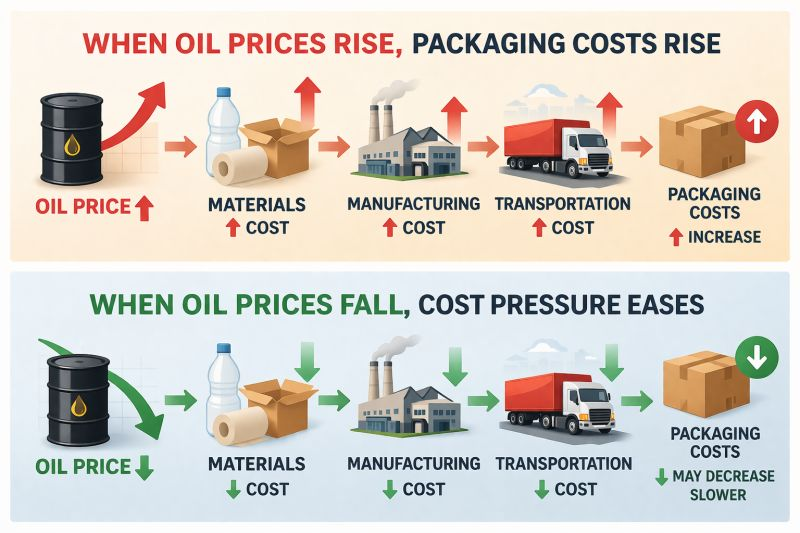
For decades, the global economy operated on a single rule: make things wherever labor and raw materials were cheapest, ship them across the globe, and keep inventory as slim as possible.
That model proved surprisingly fragile when global shocks hit. Today, governments and major companies are aggressively shifting toward resilient supply chains. According to trade logistics research from KPMG International, businesses are relocating production closer to consumer markets to prevent overnight price spikes and unexpected shortages.
- The Upside: You are far less likely to face sudden, months-long shortages of replacement car parts, home electronics, or medical supplies.
- The Trade-Off: Building redundant factories costs money, meaning the era of impossibly cheap junk goods is gradually coming to an end.
2. Technology Is Shifting from “Flashy Gadgets” to “Invisible Utility”

Remember when tech updates were marked by revolutionary phone designs or bizarre gimmicks? The tech landscape has matured into an invisible infrastructure phase.
Instead of pushing flashy features that look cool in a commercial, major technology platforms are focusing on making systems quietly functional behind the scenes:
- Data Privacy Localized on Your Device: More of your personal data—from voice notes to health metrics—is processed on your phone’s physical hardware rather than transmitted to distant corporate cloud servers.
- Automated Administrative Relief: From organizing medical records to filing simple tax documents, back-end automation is reducing the tedious paperwork that slows down public and private services.
3. The Re-Balancing of Energy Priorities
Energy policy is no longer an all-or-nothing political debate between pure renewable energy and traditional fossil fuels. The operational focus has shifted to power grid reliability.
As electric vehicles, digital data centers, and modern manufacturing plants draw unprecedented amounts of power, utility operators are combining rapid solar and wind rollouts with steady baseload power sources like advanced nuclear reactors and natural gas backups.
+---------------------------------------------------------------------------------+
|                        THE DUAL ENERGY SUPPLY BALANCE                           |
|                                                                                 |
|  RENEWABLE EXPANSION                      BASELOAD STABILITY                    |
|  ┌───────────────────┐                    ┌───────────────────┐                 |
|  │ Solar, Wind, Grid │  Complemented by   │ Advanced Nuclear, │ Keeps power     |
|  │ Storage Batteries │ ─────────────────> │ Gas & Hydro Power │ running 24/7    |
|  └───────────────────┘                    └───────────────────┘ without outages.|
+---------------------------------------------------------------------------------+
For homeowners and renters, this pragmatic energy mix directly impacts your monthly electric bill, local appliance rebates, and home battery subsidies.
4. The War for Information Integrity
With automated content generation everywhere, the sheer volume of digital noise has skyrocketed. Deepfakes, AI-generated synthetic articles, and hyper-targeted social media campaigns make reading the news trickier than it used to be.
Governments worldwide are implementing strict digital origin laws, forcing online platforms to label automated media and disclose who funds targeted advertisements. For everyday web users, navigating the internet now requires a “verify-first” mindset—looking past sensational headlines to find original reporting and primary sources.
5. Local Communities Are Solving National Problems
When big national governments get stuck in political gridlock, local city councils, regional boards, and community organizations step up to handle the day-to-day work.
Across housing development, public transit expansion, small business grants, and local flood management, the policies that directly shape your immediate environment are increasingly decided right down the road at city hall rather than in distant capitals.
How to Stay Informed Without Going Crazy

Following world events doesn’t require spending three hours a day glued to news channels. In fact, doing that usually just increases anxiety without adding clarity.
- Focus on Laws and Budgets, Not Speeches: Campaign promises and political rallies are designed for drama. Real change happens when legislation is actually signed and budgets are allocated. Follow what gets funded, not what gets yelled.
- Understand the Difference Between News and Opinion: News tells you what happened. Analysis explains why it might matter. Opinion tells you how someone feels about it. Keeping those three categories distinct makes reading the news instantly calmer.
- Check Your Local Election Logistics: When it is time to participate in local or regional votes, always skip social media speculation and go straight to official government portals. For instance, voters in the United States can look up official registration details directly on USA.gov Voting Resources, while citizens in India can find voter rolls and regional office details on the Election Commission of India.

Top Business & Economic Trends to Watch in 2026
Let’s skip the dry economic jargon for a minute. If you’ve run a business, managed…

Government Policies 2026: Latest Updates, Changes & What They Mean
Keeping your home tidy and staying updated on government policies often feel like two completely…

Best Smart Devices to Buy in 2026: Top Tech Picks
Let’s be completely honest about smart technology. Most of us have bought at least one…

Top Kids & Family Entertainment Ideas Every Parent Will Love
Finding something fun to do with kids sounds easy—until you hear, “I’m bored!” for the…

Spider-Man: Brand New Day Breaks Box Office Records in 2026
Look, let’s cut through the usual corporate fluff for a minute. Running a digital marketing…

Best Streaming Apps in 2026: Find Your Perfect Platform
Let’s be honest: paying a retail giant a yearly fee just for the privilege of…